A few simple checks can make the first cut smoother and more predictable. Before using a remote control lawn mower, make sure the battery is charged, the mowing area is clear, and the basic controls respond as expected. Then choose a suitable cutting height and spend a few minutes getting familiar with the mower on open ground before moving to slopes, edges, or narrow spaces.

Do a Quick Check of the Mower and Controller
Before the first cut, take a quick look at the mower, battery, controller, and cutting area. Make sure the main parts are secure, the wheels can move freely, and there is no grass, string, or debris around the deck.
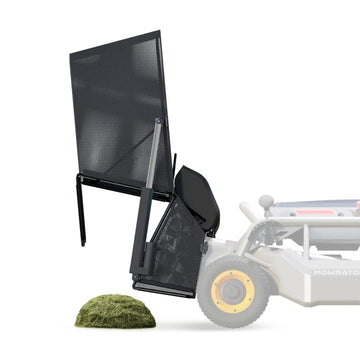
Check that the mulch plug, grass bag, or discharge chute is fitted correctly for the mowing mode you plan to use. Any adjustment should be completed while the mower is powered off.
Charge the mower battery and controller before use. Confirm that the joysticks, speed controls, and stop button respond normally. The battery should sit firmly in place, with no visible damage to the battery or connector.
Finally, check that the blade area is clean and secure. If the mower vibrates unusually or sounds different during use, power it down before checking the cutting area.
Walk the Yard and Clear the First Mowing Area
Take a quick walk through the mowing area and remove anything that could get in the mower’s path. Pay extra attention near tall grass, trees, fences, sheds, and garden beds, where small objects are easier to miss.
Remove common items such as:
- Rocks, branches, and pinecones
- Toys, balls, and yard tools
- Garden hoses, cords, and drip lines
- Wire, rope, loose edging, and small stakes
- Heavy clumps of leaves or other debris
Mark fixed features such as sprinkler heads, drain covers, raised borders, exposed roots, or soft ground. For the first cut, choose an open area with good visibility and enough room to turn. Keep people, pets, and vehicles outside the mowing zone, and keep the mower within view while operating it.
Get Familiar With the Basic Controls
Before turning on the blade, spend a few minutes driving the mower on flat, dry, open ground. Try moving forward, reversing, making wide turns, slowing down, stopping, and using the emergency stop.
Begin at a low speed until the steering and stopping response feel familiar. For example, the Mowrator S1 Leaf & Lawn 4WD is designed for slopes and rough yards, but beginning on open ground makes it easier to get used to its speed, turning radius, and response.
Once the mower feels easy to control, move gradually toward mild slopes, narrow sections, roots, or fence lines. Reduce the speed and leave extra room around edges and obstacles during the first pass.
Set Cutting Height Based on Grass Condition
Cutting height affects cut quality, mower load, clumping, and lawn recovery. Tall, wet, dense, or uneven grass usually needs a higher deck setting and slower travel speed.
Use a higher cutting height when the lawn is taller than normal. This helps the blade move through the grass cleanly and reduces heavy clumps. A very low first cut can scalp uneven spots, stress the lawn, and make the mower work harder.
Use these practical rules:
- Tall grass: Raise the deck and move slowly.
- Dense grass: Reduce speed and overlap passes slightly.
- Wet grass: Wait for drier conditions when possible.
- Uneven ground: Avoid the lowest setting during the first session.
- Thin patches: Keep the deck higher to reduce scalping.
- Heavy clippings: Pause and clear the deck only after full shutdown.
Choose the mowing mode before the blade runs. Mulching works well for dry, routine trims when clippings are small. Bagging helps when clippings need to be collected. Side discharge can help heavier grass leave the deck with less buildup.
If the mower leaves clumps, slows down, or sounds strained, adjust the setup. Raise the cutting height, reduce speed, take a narrower pass, or wait for better grass conditions. The goal of the first cut is clean control, not the lowest possible finish.
Start the First Cut With a Safer Setup and Better Control
Use the first cut as a controlled test, not a full mowing push. Choose dry, visible grass, keep the mower in sight, and leave extra space around edges, curbs, beds, drains, and slopes. Run at a moderate speed, stop before crossing hard surfaces, and pause if the mower vibrates, clumps, or feels harder to control. Once the remote control lawn mower responds predictably, future cuts can move closer to obstacles and more difficult areas with better confidence.
FAQs about Safe Mowing Practices
Q1. Can I Use a Remote Control Lawn Mower on Newly Seeded Grass?
No, wait until the new grass is established and ready for its first trim. Young roots can pull loose under wheel movement. Keep the deck high for the first few cuts and avoid sharp turns on soft soil.
Q2. How Often Should I Check Blade Sharpness?
Check blade condition after several mowing sessions, after hitting debris, or whenever grass tips look torn. Dull blades can leave ragged cuts and increase mower load. Replace or sharpen blades according to the manual.
Q3. Should I Use Full Speed During the First Cut?
No. Begin at a comfortable speed, so you have enough time to judge turning space, obstacles, and changes in the ground. You can increase the speed once the mower feels familiar and the mowing area is clear.