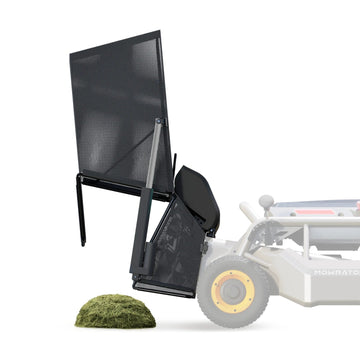
Keep a leaf vacuum from clogging by controlling how quickly leaves enter the intake and keeping the airflow path clear. Thick piles, wet material, a full collection bag, and mixed yard debris are the most common reasons leaves stop moving through the system smoothly.
Where Is the Airflow Getting Blocked?
Check the intake, discharge path, and collection bag first if your leaf vacuum keeps clogging or suction suddenly drops. Different symptoms often point to different areas.
| What You Notice | Area to Check | What to Look For |
|---|---|---|
| Suction drops suddenly | Intake or tube | Packed leaves grass or small debris |
| Suction fades over time | Collection bag or air outlet | A full bag fine leaf dust or restricted airflow |
| Motor sound changes | Impeller or shredding area | Wrapped grass dense clumps or trapped debris |
| Leaves enter but move slowly | Discharge path | Damp shredded leaves packed inside |
| Pickup changes across the yard | Ground conditions | Wet piles thick layers or long grass |
For mower based collection, check the leaf shredding vacuum setup from the deck opening through the discharge path and bag connection. Finding the restriction first keeps you from clearing parts that are already open.
How Can You Reduce Leaf Pile Thickness?

Spread deep piles into thinner layers before vacuuming. Thick piles can cover the intake and send leaves into the machine faster than the airflow can carry them away.
- Spread heavy piles. Use a rake or blower to create a thinner layer before pickup.
- Take partial passes. Let part of the intake overlap the edge of the pile.
- Slow down in dense areas. Give each load enough time to move through the system.
- Return for another pass. Remove the upper layer first, then collect the remaining leaves.
Dry leaves in lighter layers are easier to shred and give air more room to move through the material. A thinner feed also reduces the chance of a dense plug forming at the intake.
How Should You Handle Wet Leaves and Yard Debris?
Feed damp leaves, long grass, and small yard debris in smaller amounts. Each material creates a different clog or damage risk.
| Material | Main Clog Risk | Better Approach |
|---|---|---|
| Damp leaves | Sticky clumps | Let surface moisture dry and use smaller passes |
| Wet packed leaves | Heavy plugs | Break piles apart before pickup |
| Long grass mixed with leaves | Fibers bunching near the intake | Shorten the grass first where practical |
| Small flexible twigs | Pieces catching across an opening | Feed slowly if the machine allows that debris |
| Stones wire glass or rigid sticks | Damage to moving parts | Remove them before vacuuming |
Walk the cleanup area first and remove rocks, wire, glass, and other material outside your machine's pickup limits. Hard objects can also strike the impeller or become trapped in a narrow passage.
When Should You Empty the Collection Bag?
Empty the bag before suction starts to fade. A packed collection area can restrict outgoing air and reduce pickup at the intake.
If you are asking why does my leaf vacuum lose suction after several passes, check for a full bag or packed material around the discharge opening first.
- Check the bag after sections with heavy leaf cover.
- Empty sooner when leaves are damp or finely shredded.
- Clear loose dust from breathable bag surfaces when your manual allows it.
- Reattach the bag fully before restarting.
Our Auto-Dumping Bag uses full-bag detection and one-button emptying for compatible S1 models, so you can unload before a packed bag begins to restrict airflow.
How Can You Clear a Clog Safely?
Clear a clog after the machine has fully stopped and the power source has been disconnected. The impeller or blade area may contain sharp parts or debris held under pressure.
To unclog a leaf vacuum safely:
- Stop the machine. Turn off the motor or cutting system and wait for all moving parts to stop.
- Disconnect the power. Remove the battery, unplug the cord, or use the shutdown method listed for your model.
- Open the approved access area. Use the user manual to locate the intake, deck, bag connection, or service opening.
- Remove loose material carefully. Pull packed leaves away from the opening without forcing debris deeper toward the impeller.
- Inspect the area. Look for trapped objects, bent parts, unusual marks, or damage near the blockage.
- Restore all covers and guards. Put every access panel and collection part back in its operating position before reconnecting power.
Repeated scraping, vibration, or impact sounds call for another inspection before the next pass.
Keep Airflow Steady Through Every Pass
Keep the intake clear, take smaller passes through heavy or wet leaves, and empty the bag before airflow drops. For mower-based leaf cleanup, our S1 leaf vacuum system combines vacuuming, mulching, and bag collection in one setup.
Frequently Asked Questions
Q1: Can a Leaf Vacuum Be Used on a Newly Seeded Lawn?
Yes, once the new grass can handle light equipment traffic. Young seedlings have shallow roots and may be disturbed by wheels, foot traffic, or strong pickup close to the soil. Established new turf can handle regular mowing more safely. Use gentler leaf removal until the grass has grown enough for several normal mowing cycles.
Q2: Can Shredded Leaves Go Straight Into a Compost Pile?
Yes. Shredded leaves can go directly into compost as carbon-rich material. Mix them with greener material such as fresh grass clippings or vegetable scraps to support decomposition. Shredded leaves work well in compost, and smaller pieces usually break down faster than whole leaves while taking up less pile space.
Q3: What Protective Equipment Should You Wear While Vacuuming Leaves?
Wear eye protection, sturdy closed-toe shoes, long pants, and hearing protection when sound levels are high. Work gloves can also help while handling bags or loose yard debris. Eye and hearing protection are common safety measures for powered landscaping equipment.
Q4: Can a Leaf Vacuum Spread Lawn Fungus or Garden Pests?
Yes. Grass, soil, and plant residue carried on equipment can move some plant diseases between areas. Clean contact surfaces before moving from affected plants or turf to healthy sections of the yard. Cleaning garden equipment can reduce disease spread, especially after work around a known infection.
Q5: How Should the Machine Be Cleaned Before Seasonal Storage?
Remove leftover plant material, let collection bags dry fully, and store the machine in a dry protected area. Check the battery instructions for storage temperature and charge level on electric models. For mower based equipment, remove the battery before cleaning the underside, then store chargers and removable parts in a clean, dry location.