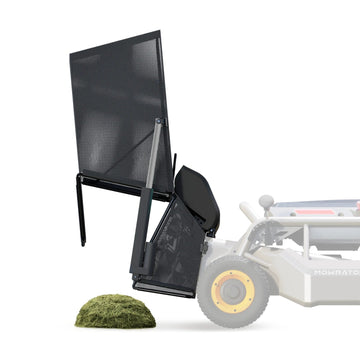
A zero turn mower is usually the better pick for a large, mostly flat yard with plenty of trees and beds. A riding lawn mower is often a better fit for a smaller lawn, a new rider, or a property where you also need to tow light equipment. The right choice depends on yard size, obstacles, slope, storage space, and the jobs you expect the mower to handle. If steep ground, rough terrain, or keeping the operator off the mower matters most, a remote-control mower may fit the job better than either traditional option.
How Do Zero Turn Mowers and Riding Lawn Mowers Differ?
A zero turn mower turns tighter and cuts around obstacles faster, while a riding lawn mower is easier to steer for most first-time users.
A zero turn mower uses two lap bars. Each bar controls one rear wheel, allowing sharp turns around trees, beds, and fence posts. That can reduce the time spent mowing and trimming.
A riding lawn mower uses a steering wheel and pedals. Its wider turns can leave more grass near obstacles, but the controls are familiar and simple to learn.
| Feature | Zero Turn Mower | Riding Lawn Mower |
|---|---|---|
| Controls | Two lap bars | Steering wheel and pedals |
| Turning radius | Very tight | Wider |
| Best use | Fast mowing around obstacles | Simple mowing and light towing |
| Learning curve | Requires some practice | Familiar for most beginners |
| Extra trimming | Usually less | Usually more |
Which Yard Sizes Work Better for a Zero Turn Mower or Riding Lawn Mower?

A zero turn mower becomes a better value when you mow a large area or work around many obstacles. A riding lawn mower is often enough for a small, open yard.
| Yard Type | Better Fit | Reason |
|---|---|---|
| Under ½ acre with open grass | Riding lawn mower | Simple controls and enough room for normal turns |
| ½ to 2 acres with trees and beds | Zero turn mower | Tight turns reduce extra passes |
| 1 to 3 acres, mostly flat and open | Either type | Compare deck width, comfort, and service access |
| More than 2 acres | Zero turn mower | Faster coverage saves time each week |
| Lawn plus light towing jobs | Riding lawn mower | Many models accept more work attachments |
What Should You Consider Before Choosing Between These Mower Types?
Buy the mower that fits your yard’s layout and the work you do regularly.
Walk the property and mark trees, garden beds, roots, gates, drainage areas, and slopes. A yard with many obstacles favors a zero turn mower. A compact lawn with limited turning space may favor a riding lawn mower.
Check these points before buying:
- Deck width: A wider deck covers more grass in each pass, which can help on larger lawns. Make sure it will fit through your gates, narrow paths, and storage doors.
- Controls and seat: Sit on both types if possible. Make sure the controls feel comfortable and easy to reach.
- Storage: Leave enough room to park, enter, and turn the mower.
- Local service: Check nearby repair options, parts supply, and warranty support.
- Running costs: Include blades, belts, filters, fuel, and routine service.
- Other yard work: Confirm whether you need a cart, bagger, mulch kit, or spreader.
When comparing zero turn mower brands, look at the exact models sold and serviced near you. Deck size, comfort, warranty coverage, parts access, and approved accessories are better comparison points than the brand name alone.
How Do Terrain, Obstacles, and Maintenance Needs Affect Your Choice?
Flat, dry ground with trees and borders favors a zero turn mower. Slopes, wet grass, holes, and ditch edges require a mower that stays within its stated operating limits.
A traditional zero turn mower or riding lawn mower still requires you to sit on the machine. For steep, uneven, or hard-to-reach areas, our remote-control S1 mower options offer 2WD and 4WD choices for different terrain needs.
Clear rocks, sticks, wires, and toys before mowing. Keep children, pets, and bystanders out of the work area. University of Minnesota Extension recommends these basic safety steps for mower use.
Both mower types need routine care:
- Check oil, fuel, battery condition, and tire pressure.
- Remove grass buildup after the mower cools down.
- Inspect blades, belts, and fasteners during the mowing season.
- Sharpen or replace blades if they tear grass instead of leaving a clean cut.
- Store the mower in a dry, covered space.
The easier mower to maintain is the one with accessible service points. Check access to the deck, belts, filters, battery, and grease fittings before you buy.
When Does a Zero Turn Mower Make More Sense for Your Property?
A zero turn mower makes more sense if mowing speed and tight turns matter more than towing versatility.
It is a solid choice if your property has more than about one acre of grass, several trees or beds, and slopes within the mower’s stated limits. It also works well if mowing is the main job you need the machine to do.
Choose a zero turn mower if:
- You mow more than about one acre regularly.
- Your lawn has many trees, beds, borders, or fence lines.
- Most of the mowing area is flat or gently sloped.
- You have room to store the mower and its deck.
- You want to reduce mowing time and follow-up trimming.
Choose a riding lawn mower if you prefer a steering wheel, have a smaller lawn, or plan to tow a cart and other light equipment often.
Choose the Right Mower Type for Your Yard and Long-Term Needs
Choose a zero turn mower for a large, mostly level lawn with frequent obstacles. Choose a riding lawn mower for familiar controls and regular light towing. For steep or uneven areas where staying off the mower is a priority, choose a remote-control mower built for that terrain.
Measure your tightest access point, check slope limits, confirm attachment compatibility, and choose the mower that fits the work you do most often.
FAQs
Q1: Should You Choose a 2WD or 4WD Remote-Control Mower?
Choose 2WD for flat to rolling ground within the mower’s stated slope limit. Choose 4WD for steeper or more demanding terrain, then match the model’s published slope rating to your property. Measure the steepest area you plan to mow before choosing a machine.
Q2: Is a riding lawn mower easier to maintain than a zero turn mower?
Maintenance time depends on the model and how often you mow. Riding mowers may have fewer steering-linkage components, while zero turns often have separate hydraulic drives. Check the maintenance schedule, oil-change method, and parts prices for the exact models you are comparing.
Q3: Can a Zero Turn Mower Be Transported Without a Trailer?
Usually, no. Use a suitable trailer or pickup ramp when moving a zero turn mower beyond your property. Check the mower’s weight, trailer capacity, tie-down points, and local road rules before transport. The LSU AgCenter covers safe loading practices for riding equipment.
Q4: How long does a zero turn mower usually last?
A homeowner zero turn mower often lasts longer when it is used within its intended workload and serviced on schedule. For a useful comparison, ask the dealer for the engine warranty, transmission warranty, and recommended annual service schedule. Those details tell you more than a single lifespan estimate.
Q5: Are zero turn mowers difficult for beginners to operate?
Most beginners can learn the controls in a short practice session. Use an open, level area and practice moving forward, reversing, and making gradual turns with the blades off. Keep both drive levers even to travel straight, then mow at a slow speed until the controls feel natural.