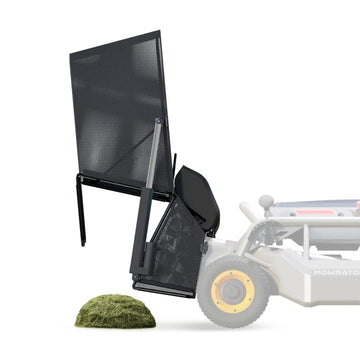
The best leaf vacuum should match your yard size, peak leaf volume, terrain, and cleanup routine. A one acre yard with mature trees usually needs more capacity and easier movement than a small lawn with light seasonal leaf drop. Use your busiest fall cleanup as the main benchmark.
How Should You Match Leaf Vacuum Type to Yard Size?
Match the vacuum type to the area, terrain, and travel distance you cover during one cleanup. Properties with similar acreage can require very different equipment when slopes, fences, or scattered trees add extra travel.
| Yard Profile | Useful Vacuum Type | Why It Fits |
|---|---|---|
| Small lawn or patio | Handheld vacuum | Easy to carry around beds walkways and tight corners |
| Medium suburban yard | Walk behind vacuum | Offers more pickup width and bag space |
| Large open yard | Powered wheeled or mower based collector | Reduces carrying across long routes |
| One acre property | High capacity mower based or remote collection system | Handles long routes with fewer stops |
| Tree filled yard with slopes | Driven or remote controlled collection setup | Adds powered movement across uneven ground |
For the best leaf vacuum for a large yard, measure the travel distance between leaf zones and your dump point along with total acreage. Long driveways, separate tree groups, gates, and slopes can add a lot of movement to each cleanup.
A remote mower with leaf collection can combine mowing, leaf shredding, vacuum pickup, and collection for properties with long cleanup routes.
How Can You Estimate Leaf Volume Before Comparing Models?
Estimate leaf volume from tree density, canopy coverage, peak fall drop, and cleanup frequency. A small yard packed with mature trees can produce a heavier leaf load than a larger open lawn.
- Check canopy coverage. Several mature maples, oaks, or other broadleaf trees can create large piles during peak drop.
- Watch lawn coverage. When less than half of the grass remains visible, collection becomes more useful because thick leaf layers can block light and hold moisture.
- Count cleanup rounds. Weekly pickup spreads leaves across smaller jobs. Longer gaps create deeper piles and larger loads.
- Use the busiest week as your benchmark. Peak drop gives you the clearest estimate of pickup speed, bag capacity, and emptying frequency.
For the best leaf vacuum for heavy leaf fall or a leaf vacuum for a tree filled yard, use peak leaf volume as your sizing benchmark, with lot size as a secondary factor.
How Do Bag Capacity and Mulching Ratio Affect Cleanup?
Bag capacity determines how often you stop, while mulching ratio estimates how much loose leaf material can be reduced under test conditions.
- Choose bag size for your route. Larger bags suit long passes and heavy leaf cover. Smaller bags work well when the dump point stays nearby.
- Compare mulching ratios carefully. A listed ratio such as 10 to 1 or 16 to 1 reflects specific test conditions. Leaf type, moisture, and packing density can change field results.
- Check the emptying setup. Handles, wide openings, removable bags, and powered dumping affect the effort required for repeated unloading.
- Consider disposal space. Finer leaf material takes up less room in yard waste containers.
For more flexible fall cleanup, the Mowrator S1 lets you choose between two approaches. When leaf cover is light and you prefer to return organic material to the lawn, use mulching mode to shred leaves and discharge the finer material back onto the grass. When the leaf drop is heavier or you want a cleaner finish, use the collection setup to vacuum, shred, and bag the leaves instead. This lets you adjust the cleanup method to the leaf volume and your own preference rather than using the same approach all season.
How Do Wet Leaves, Slopes, and Obstacles Change Your Choice?
Wet leaves, slopes, roots, trees, and narrow passages call for stronger traction, steady control, and pickup performance suited to difficult ground.

| Yard Condition | Feature to Prioritize | Why It Helps |
|---|---|---|
| Frequent wet leaves | Strong pickup airflow and easy bag emptying | Damp material packs tightly and adds weight |
| Steep slopes | Driven wheels and stable traction | Wheel power reduces pushing effort |
| Tree roots and rough turf | Ground clearance and controlled speed | Extra clearance helps across uneven ground |
| Tight tree spacing | Responsive steering and manageable width | Easier turns reduce repositioning |
| Beds and hard edges | Precise pickup path or hose option | Focused pickup reaches borders and corners |
Relatively dry leaves are easier to shred than deep wet piles. If fall rain is common where you live, pickup power, traction, and easy emptying deserve more attention.
For hilly properties, a remote leaf and lawn mower for slopes adds powered movement and remote steering where long pushing routes require more physical effort.
How Should You Compare Mobility, Runtime, and Emptying Effort?
Compare mobility, runtime, and emptying effort against the length of one normal cleanup session. Your goal is enough working time and practical movement for the full route.
Corded models fit smaller areas close to outdoor outlets. Battery models give you free movement around trees, driveways, and distant corners. Spare batteries can extend longer sessions. Gas-powered equipment supports long jobs with quick refueling and has a separate fuel and engine care routine.
For the best leaf vacuum for one acre, compare usable runtime with total cleanup time. Include travel between leaf zones, extra passes through dense areas, battery changes, and trips to the dump point.
Physical effort also depends on how you unload collected leaves. Check bag height, release points, handles, and the distance you carry each full load. A larger bag reduces unloading stops, while greater leaf weight can increase lifting effort.
Choose a Leaf Vacuum That Matches Your Yard
Use your peak leaf load, cleanup distance, terrain, and emptying needs to narrow down the best leaf vacuum for your property. Compare models against the hardest cleanup you normally face each fall, then choose one with enough capacity, runtime, traction, and mobility to handle the job with fewer unnecessary stops.
Leaf Vacuum FAQs
Q1: Can a Leaf Vacuum Pick Up Small Twigs and Acorns?
Small twigs and light yard debris may pass through some leaf vacuums, while larger sticks, stones, and hard objects should be removed before pickup. Acorn handling varies with intake size and impeller design. Check the model specifications for accepted debris sizes, especially if your yard has mature oak trees or frequent branch drop.
Q2: Can Collected Leaves Be Used for Compost or Garden Mulch?
Yes. Clean fallen leaves can go into compost or serve as mulch around garden plants. Shredding helps leaves break down faster and reduces pile volume. Finished leaf compost can add organic matter and support soil structure. Diseased or insect-infested plant material belongs outside a basic home compost pile.
Q3: How Loud Is a Typical Leaf Vacuum?
A leaf vacuum can reach noise levels where hearing protection becomes worth considering, although the exact dBA level varies across models. Noise risk depends on sound level and exposure time. Repeated exposure around 85 dBA or higher can damage hearing, and equipment around that level often requires a raised voice for close conversation.
Q4: Which Replacement Parts Should Be Available Before Purchase?
Collection bags, shredding parts, impellers, hoses, filters, wheels, batteries, chargers, belts, and fasteners are useful parts to check before purchase. Focus on components that contact leaves, dirt, or moving surfaces because regular use can wear them over time. Easy access to model-specific replacements can reduce downtime during peak fall cleanup.
Q5: How Should a Leaf Vacuum Be Stored During the Off-Season?
Store a leaf vacuum clean, dry, and protected from weather after the final seasonal cleanup. Empty the collection bag, clear trapped leaves from the pickup path, and let damp fabric parts dry fully. For battery equipment, follow the battery instructions for storage charge and temperature. Keep the charger, hardware, and spare parts together for the next fall season.