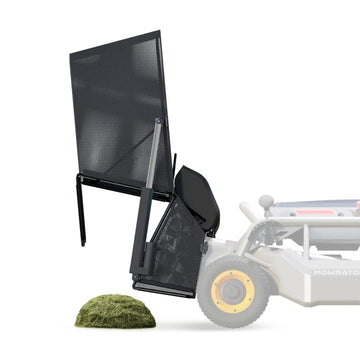
Acorns, pine needles, and twigs create a different cleanup problem from ordinary fall leaves. A lawn sweeper for leaves can cover broad areas efficiently, while a leaf vacuum reaches edges and may reduce leaf volume through mulching. The better option depends on debris weight, moisture, surface type, grass height, and the machine’s approved material limits. Matching the tool to the actual yard problem prevents missed debris, clogged tubes, worn brushes, and damaged impellers.
Why Small Yard Debris Is Harder to Collect Than Leaves
Broad leaves are light and expose a large surface to moving air or rotating brushes. Smaller debris behaves differently, so a lawn sweeper for leaves may collect one material well and leave another behind.
Acorns are compact, dense, and easy to bury in turf. They roll away from loose brush contact and often settle in shallow dips. Long grass can hide them below the reach of a sweeper or vacuum intake.
Pine needles create another problem. Dry needles may sit loosely on top of short grass, but long needles can weave between grass blades. Damp needles form flat mats around roots, curbs, and landscape borders. These mats resist both airflow and light brush contact.
Twigs vary in size, shape, and stiffness. A few tiny pieces may pass through approved equipment, while longer sticks can bridge an intake or wrap around a brush shaft. Thick, forked, or rigid branches should be removed by hand before cleanup begins.
Moisture increases the difficulty across all three debris types. Wet material weighs more, sticks to pavement, packs tightly in collection bags, and restricts airflow. Letting the yard dry can reduce repeated passes and lower the risk of clogs.
How Lawn Sweepers Handle Acorns, Pine Needles, and Light Twigs
A lawn sweeper uses ground-driven or powered brushes to lift surface debris into a hopper. Because it does not pull material through a high-speed impeller, a lawn sweeper for leaves is often a practical choice for open turf with dry mixed debris.
Acorns Need Consistent Brush Contact
Many residential sweepers can collect exposed acorns on short, level grass. Results become less reliable when nuts sink into thick turf or collect in low spots.
Adjust the brush height in small steps. The bristles should lightly comb the grass and contact the debris without digging into the soil. A setting that is too low creates drag, wears the brush, and can make a push model difficult to move.
Move slowly through areas with heavy acorn buildup. Fast passes may push nuts ahead of the brushes or leave them behind in shallow depressions. Test one strip before changing the brush height again.
Pine Needles Often Require a Second Pass
Loose, dry needles are easier to collect than matted needles. If the first pass leaves narrow lines behind, cross the area from another direction. The new angle can release needles trapped between grass blades.
Spread deep piles into a thinner layer before sweeping. Large piles may roll ahead of the brush or fill the hopper too quickly. A lawn sweeper for leaves performs best when debris is distributed across a manageable surface layer.
Long needles around tree roots may still require a rake. The uneven surface and exposed roots can prevent consistent brush contact.
Light Twigs Need Conservative Handling
A sweeper may pick up a few very small twigs during normal leaf collection, but visible sticks should be removed before sweeping. Longer pieces can catch in the brush assembly, damage the hopper fabric, or block wheel movement.
Do leaf sweepers work on mixed fall debris? Yes, when the material is dry, the grass is reasonably short, and the brush height matches the surface. Some manual cleanup may still be needed around roots, fence lines, and uneven ground.

How Leaf Vacuums Handle Small Debris and Where They Struggle
Leaf vacuums use moving air to pull debris into a bag or collection chamber. Handheld units are useful around curbs, corners, and narrow paths. Walk-behind models cover larger areas, while mower-based systems combine cutting and collection.
A leaf vacuum with a bag works well when users want immediate collection. Fine dust and shredded leaves can reduce airflow as the bag fills, so emptying it before suction drops improves performance.
A vacuum leaf mulcher adds an impeller that cuts leaves into smaller pieces. This can reduce disposal volume and simplify composting. Dry leaves are the easiest material to process. Pine needles may pass through approved machines, but long or damp needles can bunch inside the tube.
Acorns require careful judgment. Some walk-behind chipper vacuums are designed for limited woody debris, but acorns and sticks should only be collected when the owner’s manual specifically permits them. Handheld models often have narrower tubes and lighter impellers, which increases the risk of jamming or impact damage.
Twigs create a similar concern. Tiny flexible pieces may pass through some approved machines. Rigid sticks can block the intake, chip an impeller, or damage a collection bag. Keep the intake above the pile and feed material gradually.
Damp debris should dry before vacuuming because it can stick to the tube walls and restrict airflow. Avoid pushing the intake deep into a wet pile. That action compresses the material and makes blockages more likely.
Compare Pickup Efficiency on Grass, Gravel, and Driveways
Grass height, pavement condition, and loose gravel can change how the same machine handles identical debris. A lawn sweeper for leaves may work well on recently mowed turf and poorly beside a stone path.
Grass
Sweepers depend on stable brush contact. Short grass exposes acorns and needles, while tall turf hides them and adds drag. Uneven ground also changes the brush angle during each pass.
Leaf vacuums can lift loose material without direct brush contact. Their advantage drops when needles are woven into turf, or acorns sit below the grass tips. A sweeper often suits a large open lawn because its hopper can carry a substantial debris load.
Mow before cleanup when the grass is excessively tall, provided the yard is free of hidden sticks and stones. Shorter turf exposes small debris and helps brushes or airflow reach the surface.
Loose Gravel
Ordinary leaf vacuums should not be used on loose gravel unless the manufacturer specifically approves that surface. Stones can damage the impeller, cut the bag, or be discharged at speed.
Sweepers also need caution. Brushes set too low may collect stones and wear them quickly. A safer method is to move leaves onto turf or pavement with a rake or low-power blower, then collect them there.
Keep the blower nozzle high enough to move leaves without scattering the gravel. Work in short passes and direct the debris toward a clear collection zone.
Paved Driveways
Flat concrete or asphalt gives sweeper brushes consistent contact. A lawn sweeper for leaves can cover open pavement efficiently when the surface is free of hard debris. Set the brushes high enough to touch debris without scraping the surface.
A leaf vacuum can remove dry needles and leaf fragments from joints and edges. Remove stones, metal pieces, coarse mulch, and broken glass before using the intake.
Protect Your Equipment From Clogs, Blade Damage, and Overloading
Most equipment problems begin with hidden hard objects, poor adjustment, or an overloaded container. A short inspection protects both a vacuum and a lawn sweeper from leaves. It also prevents avoidable downtime during heavy seasonal cleanup.
Walk the work area from two directions and remove stones, wire, toys, thick sticks, and metal. Leaves can hide small objects that cause sudden damage.
For a lawn sweeper:
- Set the brushes to skim debris and lightly comb the grass.
- Stop if twigs wrap around the shaft or wheels.
- Empty the hopper before weight affects steering or traction.
- Reduce speed on slopes, turns, and uneven ground.
- Keep sharp branches away from fabric collection hoppers.
For a leaf vacuum or vacuum leaf mulcher:
- Confirm that the debris is allowed by the manual.
- Feed material gradually without pushing the tube into a dense pile.
- Shut the motor off fully before clearing a blockage.
- Empty the bag when suction begins to fall.
- Inspect seams and fabric for wear before each heavy cleanup.
- Never collect gravel, nails, wire, glass, or other hard objects.
Large piles should be divided into shallow layers. This improves airflow and brush contact while reducing strain. Stop after unusual vibration, scraping, or impact noise. Continuing to operate the machine may turn a minor blockage into impeller, blade, or motor damage.
Choose the Right Cleanup Method for the Debris Your Yard Produces
Use a lawn sweeper for broad lawns, repeated leaf fall, loose pine needles, and exposed acorns that the selected model is rated to collect. Handheld leaf vacuums work better around curbs, steps, fence lines, and narrow paths.
Homeowners who need to mow and collect leaves across the same lawn can consider the Mowrator S1 Leaf & Lawn 4WD. It combines remote-controlled mowing, mulching, bagging, and a leaf-shredding vacuum function with up to 931.55 CFM of airflow. Remove stones and thick branches before the operation.
For mixed yards, move debris from beds and corners onto an open surface before collection. Match the tool to the main debris type, surface, and yard layout to reduce missed debris and equipment strain.
FAQs about Lawn Cleanup and Compost
Q1. Can a Lawn Sweeper Damage Healthy Grass?
Yes, if the brushes are set too low or the operator makes repeated aggressive passes. Properly adjusted brushes should skim the surface and lightly contact the grass. Test a small area before cleaning the entire lawn.
Q2. Can You Use a Leaf Vacuum on Artificial Turf?
Yes, if the equipment maker allows it and the suction level is controlled. Remove loose infill, stones, and sharp objects first. Strong suction may disturb infill or pull at lifted seams.
Q3. Do Pine Needles Break Down Well in Compost?
Yes, but they decompose slowly. Shred them, mix them with moist green material, and avoid building a pile made mostly of needles. A balanced mix improves airflow and speeds decomposition.
Q4. Can Acorns Be Left on the Lawn Over Winter?
Yes, a small number can remain without causing major harm. Heavy layers may smother grass, create uneven footing, and attract wildlife. Remove dense accumulations from high traffic areas and thin turf.
Q5. Is It Safe to Vacuum Leaves Near Mulch Beds?
Yes, with careful control. Keep the intake above the surface and use lower suction near loose mulch. Move leaves onto pavement or turf first when the bed contains bark, gravel, or decorative stones.