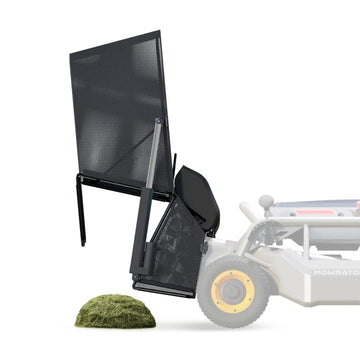
A gas leaf vacuum usually works better for long cleanup sessions and heavy wet leaves. A battery leaf vacuum fits quieter jobs, lighter upkeep, and planned battery swaps.

How Much Runtime Does a Large Yard Require?
A large yard needs enough runtime to finish one planned section without an unplanned stop. Property size gives only a rough estimate because leaf depth, slopes, travel distance, and bag emptying all add time.
Use a test section to estimate the full job:
- Mark a 1,000-square-foot area with average leaf coverage.
- Vacuum at your normal pace.
- Include every bag-emptying stop.
- Multiply the result by the total number of cleanup areas.
- Add 20 percent for damp piles, slopes, and repeated pickups.
A gas-powered leaf vacuum supports long sessions through quick refueling. A battery-powered leaf vacuum can also cover a large property when battery capacity and swap timing fit the workload.
One leaf shredding setup provides up to 2.25 hours of runtime and covers 1.125 acres per charge with a larger battery. However, leaf depth, moisture, terrain, speed, and collection stops will affect the actual coverage.
How Do Wet Leaves Affect Both Systems?
Wet leaves reduce airflow and increase the clogging risk in both gas and battery machines. Weight, moisture, and packed debris matter more than the power source alone.
Wet leaf performance depends on five essential design details:
- Airflow: Higher airflow helps move damp material through the intake.
- Intake size: A wider opening can reduce bunching at the entrance.
- Impeller design: A strong impeller supports steady pickup and shredding.
- Chute width: A wider path gives packed leaves more room to move.
- Bag airflow: Clean fabric allows air to escape while debris stays securely inside.
A gas leaf vacuum can resume quickly after refueling. A battery leaf vacuum can still handle wet leaves well when the motor, battery, intake, and collection system are sized for heavier loads.
Pause operations when pickup weakens, the motor sound changes, or leaves collect near the intake. Always disconnect the power source before clearing packed material. Wet clippings can form dense clumps, so damp cleanup calls for shorter work sections and frequent chute checks.
Which Power Stop Takes Longer?
A ready battery swap usually takes less time than refueling, while charging creates the longest break. Actual downtime depends on your spare batteries, charger speed, and prepared fuel.
| Work Point | Gas Leaf Vacuum | Battery Leaf Vacuum |
|---|---|---|
| Power change | Cool down and add fuel | Insert a charged battery |
| Before work | Store fresh fuel | Charge battery packs |
| Long session | Keep extra fuel nearby | Rotate charged battery packs |
| Supply runs out | Refill or buy fuel | Charge or switch battery packs |
Gas offers fast energy replacement when fuel is kept nearby. Battery systems offer shorter stops when charged packs are ready, and many users can share batteries across several yard tools.
One electric yard setup lists a 90-minute charge for an 18 Ah pack. Compare the charge time with your runtime before deciding how many batteries will fit your cleanup schedule.
Which System Needs Less Seasonal Maintenance?
A battery leaf vacuum usually requires less routine maintenance because it has no engine oil, spark plug, carburetor, or gasoline system. Gas models require more engine care, though many owners value quick refueling and familiar servicing procedures.
Both systems still need bag cleaning, impeller checks, fastener inspections, chute cleaning, and dry storage.
A gas-powered leaf vacuum may also need fuel treatment, air filter service, spark plug care, oil service on four-stroke engines, and cooling fin checks. A battery-powered leaf vacuum primarily needs clean terminals, an undamaged charger, and proper battery storage.
Old gasoline can leave deposits that cause hard starts after the winter. Small engine storage may involve draining fuel or adding a stabilizer according to the equipment manual.
How Do Noise, Weight, and Storage Compare?
Battery models usually create less noise and vibration, while gas models trade added engine weight for the convenience of fast refueling. Loaded bag weight can matter more than the power source during a long session.
Compare these five daily factors:
- Noise: Check the listed sound level and local work-hour regulations.
- Weight: Include fuel or battery weight plus the collected leaves.
- Vibration: Engine vibration may feel tiring during extended jobs.
- Storage: Gasoline requires an approved container and a safe, ventilated area.
- Transport: A removable battery can significantly reduce lifting weight.
Leaf equipment can reach sound levels that call for ear protection. Choose hearing protection that matches the listed sound level and stays comfortable for the full job.
Fuel-powered equipment and gasoline need space away from heat, sparks, and living areas. Garage storage safety matters greatly when tools and fuel cans share a small space.
What Will Each System Cost Over Time?
A fair cost comparison should include the machine, energy, service, replacement parts, and storage across several fall seasons. Purchase prices alone can hide subsequent battery or engine expenses.
| Cost Area | Gas-Powered Leaf Vacuum | Battery-Powered Leaf Vacuum |
|---|---|---|
| Purchase | Machine and accessories | Machine, batteries, and charger |
| Energy | Gasoline and engine oil | Charging electricity |
| Routine parts | Filters, spark plugs, and fuel items | Battery and charger wear |
| Service | Engine and fuel system work | Battery and electrical checks |
| Storage | Fuel cans and safe storage | Dry charging space |
A gas leaf vacuum can be cost-effective for long jobs when quick refueling supports steady work. A battery leaf vacuum may cost less to service, especially when several tools share one battery platform.
Battery replacement can become a major expense later on, while fuel and engine service add recurring costs for gas equipment. Add both categories to a five-season estimate to determine true value.
Which Leaf Vacuum Fits Your Yard?
Choose according to verified runtime, wet leaf pickup, collection capacity, terrain, and power planning. A gas leaf vacuum fits users who prefer fast refueling and familiar engine service. A battery leaf vacuum fits users who want lower routine maintenance, quieter operation, and no fuel storage.
Compare the following points before buying:
- Total cleanup time
- Typical leaf moisture and pile depth
- Collection bag capacity
- Slopes and rough ground
- Safe fuel storage space
- Battery compatibility with other yard tools
- Loaded machine weight
- Five-season operating cost
For wet leaves and large yards, avoid judging performance from power sources alone. A well-designed battery-powered leaf vacuum can match a large workload when runtime, airflow, intake design, and collection capacity fit the property.
Choose Based on the Whole Job
Gas models offer quick refueling and steady operation during long cleanup sessions. Battery models offer quieter use, simpler maintenance, and flexible power swaps. Wet leaf performance depends on runtime, airflow, intake design, collection capacity, and terrain more than fuel type alone. Before buying, estimate your cleanup time, compare verified specifications, and choose the system that can handle your usual workload within your preferred budget and maintenance routine.
FAQs About Leaf Vacuum Use and Care
Q1: Can a Leaf Vacuum Be Used Safely on Gravel Driveways?
Yes, provided the intake stays high enough to avoid pulling in stones and the equipment manual allows hard surface use. Use low power and test a small area first. Stop immediately when gravel enters the intake. Loose stones can become thrown object hazards, so wear eye protection and keep other people away.
Q2: What Impeller Material Handles Small Twigs More Reliably?
A metal impeller usually handles occasional small twigs more reliably than plastic. Steel offers strong impact resistance, while aluminum lowers the total weight. Equipment ratings still matter more than material alone. Remove larger branches, follow the listed debris size limit, and inspect the impeller after a hard strike or sudden vibration.
Q3: Can Vacuumed Leaves Go Into Compost?
Yes, clean, vacuumed leaves can go directly into a compost pile. Shredded leaves often break down faster because smaller pieces expose more surface area. Mix them with moist green material and ensure good airflow through the pile. Home composting commonly accepts dry leaves and other clean yard material.
Q4: How Often Should You Check the Collection Bag?
Check the bag before every use and inspect its seams, zippers, fabric, and attachment points once a month during the leaf season. Repeat the check after a blockage, branch strike, wash, or long storage period. Fine dust escaping from one area, weaker suction, or poor bag inflation may indicate an air leak.
Q5: Do Yard Waste Programs Accept Shredded Leaves?
Many local programs accept shredded leaves, although rules vary. Bag types, pickup dates, contamination limits, and branch size requirements may differ across cities and counties. Check your local collection page before pickup day. Keep plastic, stones, pet waste, and household trash separate. Yard trimmings generally include leaves, grass, and brush.