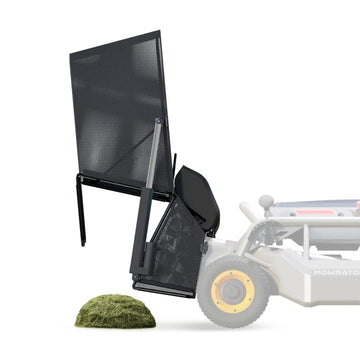
A steep residential yard can turn routine mowing into a safety problem. The grass may look manageable from the driveway, yet the hill can feel very different once a mower is on it. Push mowers can pull the operator downhill. Riding mowers can feel unstable on side slopes. Tall grass, wet soil, roots, and hidden ruts can make control even harder.
A remote control slope mower gives homeowners a safer way to cut difficult hills because the operator can control the machine from a distance. The key is choosing equipment that fits the actual grade, surface, and mowing conditions of the yard.

What Makes Steep Yard Mowing Risky
Before choosing any mower, identify what makes the hill hard to control. Most steep-yard problems come from a mix of slope angle, poor traction, hidden obstacles, and limited room to turn. A remote control slope mower helps reduce direct operator exposure, but the hill still needs careful judgment.
The biggest risk is loss of traction. Grass can hide loose soil, wet clay, leaves, sticks, shallow holes, and exposed roots. On a slope, gravity pulls the mower downhill. If the tires lose grip, the mower may slide, drift sideways, or become hard to stop.
Push mowing creates a direct physical risk. The operator must walk on the same incline while holding the mower. One slip can put the user too close to the deck or wheels. Riding mowers create a different risk because the operator’s weight sits on the machine. On a steep side slope, that weight can affect stability.
Some yard features need extra caution:
- Banks above driveways, roads, ponds, creeks, or retaining walls
- Slopes with wet grass, loose leaves, mulch, or bare soil
- Hills with roots, rocks, ruts, or animal holes
- Narrow side yards where turning space is limited
- Tall grass that blocks the view of the ground
A hill that feels unsafe to walk while carrying tools is usually unsafe to mow with standard equipment. That is where a slope-focused machine may make sense.
How Remote Control Slope Mowers Reduce Operator Exposure
A remote control slope mower changes the operator’s position. The user no longer needs to push, pull, or ride the mower on the incline. The machine handles the cutting path while the operator controls movement from a safer place with a clear view.
This setup matters most in yards with steep banks, roadside strips, drainage slopes, and uneven side yards. The operator can avoid standing below the mower, walking across slick grass, or holding back a heavy machine on a downhill pass.
An RC slope mower can help reduce several common risks:
- Slipping while walking behind a mower
- Losing balance while turning on a hill
- Getting too close to the cutting deck during a stumble
- Riding across a slope that feels unstable
- Trimming large banks by hand because a mower feels unsafe
A radio-controlled slope mower still requires active control. It is not the same as a fully autonomous lawn robot. The operator chooses the route, watches the terrain, slows down near obstacles, and stops when ground conditions change.
Good visibility is essential. If shrubs, fences, tall grass, or a sharp grade block the operator’s view, the mowing plan needs to change. A remote control slope mower works best when the user can see the machine, the ground ahead, and the area around each turn.
Slope Rating, Traction, and Braking Should Guide Your Choice
Slope rating should be the first technical spec you check, but it should never be the only one. A remote control slope mower also needs the right drive system, tire grip, braking control, cutting power, and ground clearance for the yard.
Slope is often shown in degrees or percent grade. Degrees describe the angle of the hill. Percent grade compares vertical rise with horizontal distance. For homeowners, the exact math matters less than the safety margin. If the steepest part of the yard is close to a mower’s limit, the machine may feel less controlled once grass gets wet, tall, or uneven.
Use the table below as a practical comparison framework.
A model such as the Mowrator S1 Leaf & Lawn 4WD fits this type of comparison because its specifications are built around steep residential terrain, including a 119% grade or 50° slope rating, Grip Tread Tire traction, 4WD movement, 1985.6W peak deck motor input, 301.6 km/h blade-tip line speed, up to 130 cm tall-grass cutting, and 10 cm or 3.94 inches of obstacle-crossing clearance.
Specs help narrow the choice, but the yard still decides what is safe on mowing day. A dry, firm hill is easier to manage than the same hill after rain. A clean grassy slope is different from one covered in leaves, roots, or loose soil. Match the mower to the hardest normal condition you expect, then avoid mowing when the ground falls outside that condition.
Best Practices for Mowing Steep Residential Hills
Safe operation begins before the machine reaches the slope. A remote control does not remove the need to inspect the hill because the mower can still slide, strike debris, or lose traction on weak ground. A remote control slope mower gives better distance, but the operator still has to manage the work zone.
Walk the area from a safe path before mowing. Look for holes, roots, rocks, branches, sprinkler heads, wire, toys, and soft edges near drainage areas. If the grass is too tall to see the ground, inspect the slope in sections before cutting.
Use these practices on steep residential hills:
- Mow only when the grass and soil are dry enough for traction.
- Keep children, pets, and bystanders away from the full mowing area.
- Stand where you can see the mower and the ground ahead.
- Use slower speeds on inclines, thick grass, and uneven surfaces.
- Make wide turns when space allows.
- Avoid sudden stops, sharp turns, and fast downhill movement.
- Stop if the mower slides, bounces, or struggles to hold direction.
- Cut overgrown slopes in stages when the grass height is heavy.
Direction also matters. Many hills are easier to handle with controlled uphill and downhill passes than repeated side-hill turns. The safest pattern depends on the mower design, slope shape, and obstacles. Follow the machine’s operating instructions and stay within its rated limits.
Cutting height can also improve control. A slightly higher cut often works better on slopes because it protects the grass crown and reduces scalping on uneven ground. Scalped patches can become bare, slippery, and prone to erosion.
When a Slope Is Too Wet, Too Loose, or Too Dangerous to Mow
A remote control slope mower can help with difficult terrain, but some conditions should stop the job. Power and traction do not make unstable ground safe. The safest decision is often to wait for better conditions.
Wet slopes are the most common issue. If your shoes sink into the ground, the tires leave deep marks, or water sits on the grass surface, mowing should wait. Wet grass can reduce tire grip, clog the deck, and leave a rough cut. On a steep hill, sliding is the main concern.
Loose ground creates a similar problem. Dry leaves, pine needles, mulch, gravel, and eroded soil can reduce contact between the tires and firm ground. A mower may have enough power to move, yet still lack the grip needed to steer or stop cleanly.
Do not mow when you notice these warning signs:
- Soil shifts under your shoes
- Grass feels slick underfoot
- Water collects in low spots
- Fresh erosion channels cross the slope
- A bank drops toward a road, ditch, pond, or creek
- Tall grass hides the ground surface
- Rocks, roots, or debris cannot be cleared safely
Some slopes need a different maintenance plan. That may mean waiting for dry weather, cutting growth down gradually, improving drainage, adding groundcover in areas that should not be mowed, or calling a professional for one-time recovery work.
A remote control slope mower is a tool for controlled mowing conditions. It should not be used to force a cut on ground that feels unstable, saturated, or poorly visible.
Manage Steep Yards With Equipment That Matches the Grade
The best mower for a steep residential yard is the one that matches the grade, surface, access points, and growth pattern of the property. Look at the steepest section first, then consider where traction changes, such as shaded banks, drainage paths, exposed roots, compacted soil, and areas where leaves collect.
For many homeowners, a radio-controlled slope mower is valuable because it reduces the need to stand, push, pull, or ride on risky grades. The machine still has limits, and the operator still needs judgment. When the equipment matches the hill, and the ground is firm enough to mow, a remote control slope mower can make steep yard maintenance safer and easier to keep on schedule.
FAQs about remote control slope mowers
Q1. How Do You Measure a Yard’s Slope Before Buying?
Measure rise over run. Place a long level or straight board on the hill, measure the vertical rise over a fixed horizontal distance, then convert it to percent grade. Several phone apps can help estimate an angle, but manual measurement is more reliable.
Q2. Can a Remote Control Slope Mower Replace String Trimming?
Not completely. It can reduce trimming on large banks and open slopes, but string trimming is still useful around fence posts, tight corners, stone borders, tree bases, and narrow edges where a mower deck cannot safely or cleanly reach.
Q3. How Often Should a Remote Control Slope Mower Be Maintained?
Inspect it after each mowing session. Check blades, tire tread, deck buildup, fasteners, battery condition, and remote-control response. For steep-yard use, maintenance matters more because vibration, debris, and traction demands can wear parts faster than flat-lawn mowing.
Q4. What Battery Capacity Is Best for a Hilly Yard?
Choose battery capacity based on mowing time, grass density, slope size, and return distance to charging or storage. Hills usually demand more drive power than flat lawns, so a larger battery can reduce interruptions in bigger or thicker residential yards.
Q5. Can a Remote Control Slope Mower Handle Curved or Irregular Hills?
Yes, if there is enough room to turn and the surface remains stable. Curved hills require slower movement, wider turning paths, and clear visibility. Tight curves near walls, trees, water, or drop-offs may still need trimming or another maintenance method.