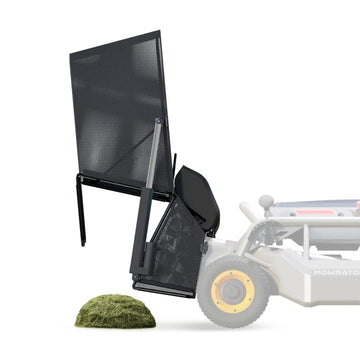
A mulching mower works best for regular grass clippings and light dry leaves spread across an open lawn. It cuts material into small pieces that can settle back into the turf. A leaf vacuum mulcher is better when leaves need pickup, shredding, and removal. Grass, dry leaves, wet leaves, and heavy piles all behave differently, so the better choice depends on leaf depth, moisture, lawn size, and how clean the surface needs to be after cleanup.

What a Mulching Mower Does Best
A mulching mower is strongest during regular lawn maintenance. It cuts grass, keeps clippings moving under the deck, chops them into smaller pieces, and drops them back into the lawn. When the lawn is cut often enough, those small clippings settle between grass blades and break down naturally.
Grass Clippings
Grass clippings are the easiest material to mulch when they are short and dry. The best results come from frequent mowing and a sharp blade. Long grass creates a different problem. The mower may leave rows of clumps that sit on top of the turf, trap moisture, and make the cut look uneven.
A mulching mower should leave fine pieces that disappear into the lawn. Visible lumps usually mean the grass was too tall, too wet, or cut too low in one pass.
Light Dry Leaves
A thin layer of dry leaves can also be mulched. This works when grass is still visible through the leaves. The mower chops the leaves into small flakes that settle into the lawn surface.
If the lawn still looks covered after mowing, the leaf layer is too thick. A second pass may help, but deep piles usually need bagging or vacuum collection.
Mulching Blades
Mulching blades help because they are shaped to recut grass and leaves inside the mower deck. They can improve clipping size and spread. They do not make heavy debris disappear. Sharp blades, dry material, and moderate debris depth still matter.
Where a Leaf Vacuum Mulcher Has the Advantage
A leaf vacuum mulcher is designed for pickup and collection. It pulls leaves into the intake, shreds them, and sends the material into a collection bag. This makes it useful when the goal is a cleaner lawn surface, less loose debris, or smaller yard waste volume.
When Leaf Collection Matters
Finely shredded leaves can add organic matter when the layer stays thin. Thick leaf cover is different. It can shade grass, hold moisture, and leave weak patches. In that case, removal protects the lawn surface.
A vacuum leaf mulcher is useful for:
- Dry leaves along fences and lawn edges
- Leaves around patios, walkways, and driveways
- Smaller leaf piles near trees
- Homeowners who want shredded leaves for compost
- Yards where loose leaves keep blowing back
Limits of Handheld Leaf Vacuums
A leaf blower vacuum mulcher works well for detail cleanup, but it has limits. Most handheld units have a smaller intake and a smaller bag than mower-based systems. Large lawns may require many stops to empty the bag.
Wet leaves can clog more easily. Hard debris such as acorns, stones, bark, and sticks should be cleared first because they can damage the intake or impeller.
Grass Clippings, Dry Leaves, and Heavy Leaf Piles Need Different Tools
A clean result depends on matching the tool to the material. A mulching mower can handle grass clippings and light leaves because both can be cut into small pieces and returned to the lawn. Heavy leaves need collection because the lawn cannot absorb that much material at once.
| Yard Material | Better Cleanup Method | Why It Works |
|---|---|---|
| Fresh grass clippings | Mulch | Small clippings break down when mowing is regular |
| Short dry grass | Mulch | Dry material cuts cleanly and spreads evenly |
| Light dry leaves | Mulch or double pass | Fine leaf pieces can settle into the turf |
| Medium dry leaf layer | Mulch first, then collect leftovers | One pass may leave too much material on top |
| Heavy dry leaf piles | Bag, rake, or vacuum collect | Thick piles block light and airflow |
| Wet leaves | Let dry when possible, then collect | Wet leaves mat together and clog equipment |
| Grass mixed with scattered leaves | Mulch if thin, bag if thick | Dense mixed material can overload the deck |
| Leaves on hard surfaces | Vacuum or blower vacuum | Collection is cleaner than mowing over pavement |
Dry Leaves Are Easier to Shred
Dry leaves are lighter and more brittle. They break apart under mower blades and vacuum impellers. Wet leaves bend, stick together, and form mats. That makes both mulching and vacuuming harder.
Leaf Depth Is the Main Warning Sign
Leaf type matters less than layer depth. If grass blades are visible, mulching is often practical. If the lawn surface is hidden, collect part of the material first.
When to Mulch, Bag, Shred, or Collect Yard Waste
Each cleanup method has a specific job. Mulching keeps light organic material on the lawn. Bagging removes bulk. Shredding reduces leaf volume for disposal or composting. Collection gives the cleanest surface when debris is too thick to leave behind.
Mulch Thin Material
The best use of a mulching mower is routine mowing and early leaf cleanup. It works well when the material is light enough to disappear into the grass after cutting.
Use mulch mode when:
- Grass clippings are short
- Leaves are dry
- The debris layer is thin
- Grass is still visible
- No clumps remain after mowing
Bag Thick or Messy Material
Bagging is better when material would sit on top of the lawn after cutting. This includes tall grass, seed heads, heavy dry leaves, and damp debris. Bagging takes longer, but it keeps the grass surface clear.
Bagging is also useful late in fall. A thick layer of leaves can stay wet for a long time and make spring lawn recovery harder.
Shred Leaves for Easier Handling
Shredded leaves take up less space than whole leaves. They are easier to bag and can break down faster in a compost pile. A leaf vacuum mulcher is useful when the main issue is leaf volume, especially in smaller cleanup zones.
For many yards, a mixed routine works best. Mulch scattered leaves across open grass, then collect deeper piles under trees or along fences.
Which Option Works Better for Large Lawns?
Large lawns bring three main challenges: distance, debris volume, and repeated passes. For broad open grass, a mulching mower is usually faster than a handheld vacuum. It covers more width and handles mowing at the same time.
Leaf volume changes the decision. Early fall leaves may mulch well. A heavy drop from mature trees may need bagging or vacuum pickup. A handheld leaf vacuum mulcher can still help around patios, walkways, and corners, but it may be slow for the main lawn surface.
For a larger lawn where grass cutting and fall leaf pickup overlap, a mower‑based cleanup system may reduce tool switching. For example, the Mowrator S1 Leaf & Lawn 4WD fits this type of mixed cleanup because it supports mowing, mulching, bagging, and leaf shredding vacuum work, with 931.55 CFM airflow for leaf pickup.
What Large Lawn Owners Should Check
If you own a large lawn, look at the full yard routine before choosing a cleanup method:
- How many trees drop leaves onto the lawn?
- Are leaves scattered or piled under tree canopies?
- Is the lawn flat, sloped, or uneven?
- Do you need to clean hard surfaces too?
- How often are you willing to empty a bag?
- Will one person handle the cleanup alone?
- Do you need one tool for grass and leaves?
A large yard often needs more than one mode. Mulch light debris, collect heavy piles, and use a vacuum tool for tight areas where a mower cannot reach.
Choose the Right Cleanup Method for Your Grass and Leaf Load
Choose a mulching mower for regular grass clippings, short dry grass, and light dry leaves. Choose a leaf vacuum mulcher when leaves need pickup, shredding, and collection. Bag or collect wet leaves, thick piles, and mixed debris before they cover the turf. Fine clippings can stay on the lawn. Thick leaf cover should be removed before it blocks light, holds moisture, or leaves material blowing back across the yard.
FAQs
Q1. Can I Use Mulched Leaves Around Garden Beds?
Yes, finely shredded leaves can be used around garden beds as light mulch. Keep the layer loose and avoid piling it against plant stems or tree trunks. Whole wet leaves can mat together, so shredded leaves are easier to manage.
Q2. Do I Need a Special Mower to Mulch Leaves?
No, some standard mowers can chop light dry leaves, but a mower with mulch mode and sharp mulching blades gives cleaner results. Thick leaves still need collection. Blade condition, leaf dryness, and leaf depth usually matter more than the product label.
Q3. How Small Should Shredded Leaves Be Before Composting?
Shredded leaves do not need to be powder fine. Pieces roughly the size of coins or smaller usually break down faster than whole leaves. Mix them with green material such as fresh grass clippings to balance the compost pile.
Q4. Can I Mow Over Leaves on New Grass?
No, avoid heavy mowing or aggressive leaf mulching on new grass. Young turf has shallow roots and can be damaged by traffic or smothered by debris. Remove most leaves gently until the lawn is established.
Q5. Should I Clean Leaves Before Fertilizing the Lawn?
Yes, remove heavy leaves before fertilizing. Fertilizer needs to reach the soil surface, not sit on top of leaf cover. A thin layer of finely shredded leaves is usually less of a problem than whole leaves covering the grass.