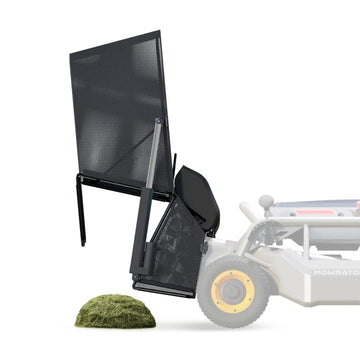
A four-wheel drive lawn mower matters when hills, loose soil, roots, ruts, or uneven ground demand stronger traction. Power at all four wheels helps the mower climb, steer, and stay stable as wheel contact changes. For sloped or rough residential yards, 4WD can create a smoother and more controlled mowing experience.

What Does 4WD Change on a Lawn Mower?
Four-wheel drive sends power to every wheel, giving the mower more grip across uneven ground.
A 2WD mower relies on one driven axle. A 4WD mower uses both front- and rear-wheel drive, so other wheels can keep the machine moving when one wheel reaches a dip, loose patch, or raised root.
Key benefits include:
- More climbing grip: Four driven wheels spread force across more contact points.
- Steadier steering: Front and rear drive help the mower stay on your chosen path.
- Better recovery: Extra traction helps across shallow ruts, roots, and thick grass.
- Smoother low-speed control: Gentle speed changes work well near trees and yard edges.
Tire tread, wheel width, weight balance, braking, and ground clearance also affect traction. A 4WD remote control mower combines independent wheel motors with tires built for rough ground and useful obstacle clearance.
When Do Hills Make Extra Traction Worth It?
Hills make 4WD worth considering when your route includes long climbs, side slopes, turns, or sudden grade changes.
A smooth rise puts steady pressure on the drive system. A shorter bank with loose soil, roots, or a curved path can demand more grip because the mower must climb and steer at the same time.
A lawn mower good for hills should match the hardest part of your yard:
- Long uphill passes
- Curved paths across a bank
- Cross-slope sections
- Slope entrances and exits
- Thick grass near drainage areas
- Changes between firm turf and loose soil
A remote mower for hills lets you watch wheel position, slow down before a turn, and choose a smoother path from a clear viewing point.
Grade percentage and angle describe slope in different ways. A 100 percent grade equals a 45-degree angle. Measure the steepest area you plan to mow before comparing mower ratings.
How Does 4WD Help on Rough Ground?
4WD helps a mower cross rough ground because several wheels can keep driving as the chassis moves over low and raised areas.
A rut can lower one wheel and shift weight toward the other side. Four driven wheels help the mower continue through the low section. Raised roots can lift one side before the other, so useful ground clearance, steady speed, and a direct approach matter.
Loose soil can move under tire pressure. Wider tires spread weight across a larger area, while deeper tread can add grip. Gentle acceleration also limits wheel spin.
Very wet ground can leave deeper marks and compress the soil. The University of Minnesota covers soil compaction in wet conditions, including the effect of equipment traffic on wet soil.
Dense grass adds resistance around the deck and wheels. A four-wheel drive lawn mower can hold a steadier pace while the cutting system works through heavy growth.
2WD vs 4WD Mowers for Residential Terrain
2WD works well on smoother lawns, while 4WD offers more grip on hills, rough ground, and changing surfaces.
| Yard Condition | 2WD Mower | 4WD Mower |
|---|---|---|
| Flat open turf | Strong fit | Extra traction available |
| Gentle slopes | Good within its rating | Strong grip during turns |
| Steeper hills | Better for lighter grades | More climbing support |
| Roots and shallow ruts | Careful route choice helps | More driven wheels support travel |
| Loose or mixed soil | Moderate traction | Wider traction range |
| Frequent grade changes | More steering input | Smoother direction control |
A 2WD remote control mower fits level lawns and moderate grades, while 4WD suits yards where climbing and changing wheel contact occur often.
The best mower for hills should match the slope, ground condition, and turning space in the hardest area you mow regularly.
How Can You Control a Mower Safely on Slopes?
Safe slope control depends on traction, clear sightlines, steady speed, responsive stopping, and a prepared work area.
- Measure the grade. Compare the steepest section with the mower rating and user manual.
- Inspect the route. Remove rocks, branches, wire, toys, and loose yard items.
- Check the surface. Firm dry grass gives the tires a steadier contact point.
- Use low speed. Smooth acceleration helps keep grip during climbs and turns.
- Plan wide turns. Broad steering reduces sudden changes in direction.
- Keep full visibility. Stand where you can see the mower, slope, people, pets, and property edges.
- Review the controls. Check braking, steering, blades, and safety sensors before each session.
The University of Minnesota covers mower safety on slopes, while federal walk-behind mower safety information covers work area checks and safety devices. A remote-control slope mower lets you operate from a clear viewing point while the machine works across the grade.
When Should You Choose 4WD?
Choose 4WD when hills, roots, ruts, loose soil, or frequent ground changes appear across your normal mowing route.
Four driven wheels become more useful when one area includes a turn, drainage dip, thick grass, and exposed roots.
Look for:
- A slope rating above your measured working grade
- Tire tread suited to grass and loose soil
- Ground clearance for roots and shallow obstacles
- Smooth low-speed response
- Strong braking and stopping control
- Remote control with a clear line of sight
The 4WD mower range includes options for different slopes and surface conditions. Compare wheel design, grade rating, clearance, and control response with the hardest area in your yard.
Choose Traction for Your Terrain
Measure your steepest section and note any roots, ruts, soft soil, or turns along the route. If those conditions appear often, a four-wheel drive lawn mower offers the traction and control needed for regular yard work.
FAQs about 4WD Mower Use and Care
Q1: Can a 4WD Mower Cross a Gravel Path?
Yes, a 4WD mower can cross a firm gravel path at low speed when the route is clear, and the user manual allows such travel. Turn off the blades before crossing. Use gentle steering on loose stones so the tires keep steady contact and the mower follows a controlled path.
Q2: Does 4WD Affect Mulching or Grass Collection?
No. The drive system controls wheel traction, while the deck and attachments control mulching, side discharge, and grass collection. Available cutting modes depend on the mower model and fitted accessories. Check deck settings and attachment compatibility before choosing a setup for clippings or leaves.
Q3: Does an Electric 4WD Mower Need Engine Oil?
No. An electric 4WD mower runs without gasoline or engine oil. Routine care usually covers cleaning the deck, checking the blades and tires, tightening loose fasteners, and caring for the battery. Follow the maintenance schedule in the user manual for model-specific service needs.
Q4: How Should You Store a Battery Mower During Winter?
Clean the mower, dry the deck, and keep the machine in a sheltered area away from moisture and extreme temperatures. Charge the battery to the level listed in the user manual. Check its charge during long storage periods so it stays ready for spring use.
Q5: Can You Change Mower Tires for Different Terrain?
Yes, compatible tire options can adapt a mower to different ground conditions. Wider tires may spread weight across softer soil, while deeper tread can add grip on demanding slopes. Use wheel kits approved for the mower model and confirm size, clearance, and installation needs before changing the original setup.