To mow tall grass on uneven ground, clear debris, raise the deck, move slowly, and make more than one pass. This helps prevent clogs, protects the blades, and keeps the deck above roots and raised soil. The first cut should bring the grass down safely. A closer finish can come later.
Tall grass can cover rocks, wire, holes, and soft spots. Uneven ground can also make the deck bounce or hit the soil. A little prep makes the job much easier.

Clear Hazards Before You Mow
Clear the area first because tall grass can hide things that damage your mower.
Walk through the area if the ground is firm and easy to cross. Look for rocks, sticks, wire, rope, irrigation heads, roots, holes, and wet patches. Mark fixed hazards with a flag, cone, or bright tape.
Pay close attention around:
- Fences and gravel paths
- Trees, shrubs, and garden beds
- Ditches and pond edges
- Sheds, woodpiles, and storage areas
- The bottom of slopes, where branches and stones can collect
Keep children, other people, and pets outside the mowing area. Mower blades can throw stones, wire, wood, and other debris.
Remove loose debris by hand. Leave space around roots, stumps, and hard edges. Thick brush, metal, large rocks, and deep holes need a different clearing method before mowing.
Set the Deck High for the First Cut
A high first cut keeps the mower above thick grass and uneven spots.
Set the deck to its highest practical cutting height. This gives the mower more room above raised ground, exposed roots, and rough patches. It also keeps too much grass from entering the deck at once.
Bring the grass down enough to reveal the ground. Then check the area again before lowering the deck.
Try to remove no more than one-third of the grass blade in one cut. The one-third rule helps prevent heavy clippings and keeps the grass in better shape.
For very tall grass:
- Use a high deck setting.
- Make one slow pass.
- Check for hazards that were hidden before.
- Let damp grass dry if needed.
- Lower the deck slightly for the next pass.
How Should You Mow Thick Grass on Bumpy Ground?
Mow slowly and use partial-width passes when the grass is thick or the ground is rough.
Wet grass can stick under the deck and block the discharge opening. Soft soil can also reduce traction. Wait until the dew is gone and the ground feels firm.
Use half to two-thirds of the deck width in the thickest areas. Keep one side of the mower over grass that was already cut, then overlap the next pass slightly. This reduces the amount of grass entering the deck and helps avoid missed strips.
Stop mowing if you notice:
- Blade speed dropping
- Heavy vibration
- A scraping or rattling sound
- Large clumps under the deck
- Wheels slipping on soft ground
- The deck hitting the soil
Turn the mower off and wait for all moving parts to stop before checking the blade or deck area.
Choose the Best Way to Handle Clippings
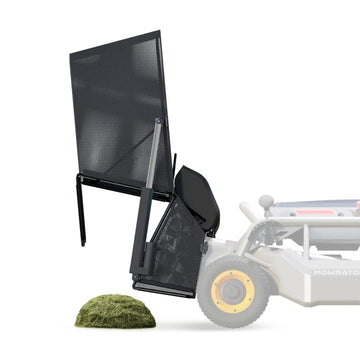
Side discharge or bagging usually works better than mulching during the first cut of tall grass.
Mulching works well on short, dry grass. Tall grass can leave too many clippings under the deck. Side discharge moves them away from the cutting area. Bagging keeps large piles off the lawn.
|
Grass Condition |
Best First-Cut Option |
Why It Fits |
|
Slightly overgrown, dry grass |
Mulch or side discharge |
The mower can handle the clippings more easily. |
|
Tall, thick grass |
Side discharge |
Helps keep the deck clear. |
|
Heavy clippings on the lawn |
Bagging |
Keeps large clumps off the grass. |
|
Wet or matted grass |
Wait for dry conditions |
Wet grass can clog the deck quickly. |
|
Leaves mixed with grass |
Collect clippings |
Keeps the cut area clear. |
This lawn-mowing resource also covers why tall and wet grass can be harder to mulch cleanly.
Know When the Mower Should Stay Out of the Area
Use another method when the ground or growth is beyond what a lawn mower can handle.
A mower works best on grass and light weeds. Thick woody growth, buried debris, large rocks, stumps, deep holes, and unstable ground need more prep or different equipment.
For rough banks, tall weeds, or hard-to-walk areas, a remote control brush mower can be a practical option.
Keep the mower in view and use it within its operating limits. Rough ground still needs a clear path and firm footing.
Give Your Uneven Lawn a Cleaner, Safer Finish
After the first pass, inspect the blades, deck, tires, and guards with the mower powered off. Clear packed grass and check for damage. If the grass is dry and the ground is clear, lower the deck one setting for a second cut. Keep it higher over roots, bumps, and rough edges.
For regular mowing on rough ground, our remote control lawn mowers come in 2WD and 4WD options, and wide tires add traction on steeper banks.
FAQs About Mowing Tall Grass on Uneven Ground
Q1: How Long Should You Wait Before the Second Cut?
Wait until the grass is dry, standing upright, and easy to inspect. That may be later the same day in dry weather or the next day after damp conditions. A short pause gives you time to spot roots, rocks, missed patches, and clumps from the first pass.
Q2: What Should You Do After the Blade Hits a Rock?
Stop the mower right away and shut it down fully. Check the blade for bends, chips, or cracks. Look under the deck for loose parts and clear any trapped debris. Use the mower again only after the blade and deck are secure and the machine runs smoothly.
Q3: What Should You Wear While Checking Rough Ground?
Wear sturdy closed-toe shoes with good grip, long pants, and work gloves. Uneven ground can include holes, roots, sharp debris, and wet spots. Eye protection is also useful when clearing loose material before mowing.
Q4: How Do You Cut Grass Along Fences and Trees?
Keep the mower away from posts, roots, trunks, and hard edging. Leave a small strip near those areas, then trim it with a hand tool or string trimmer. This protects the mower blade and reduces the chance of throwing debris from tight spaces.
Q5: When Should You Call a Lawn Care Professional?
Call a professional when the area includes deep holes, hidden debris, large stumps, thick woody growth, unstable slopes, or a large amount of dumped material. A professional can clear the site safely before regular mowing begins.