A robot lawn mower can save time when your grass needs frequent, light trimming. A remote control lawn mower makes more sense when the hardest part of mowing is the terrain itself. Many homeowners compare these two options because both reduce the physical work of pushing a mower, yet they suit very different yard conditions.
The best choice depends on three key factors: how your grass grows, how difficult your yard is to navigate, and how much control you want during the cut. A flat, open lawn usually needs a different solution than a sloped yard with thick grass, tree roots, fences, and drainage areas.

How Robot and Remote Control Lawn Mowers Handle Daily Lawn Care
Daily lawn care looks simple until the yard creates problems. Grass height, slope, ground firmness, obstacles, and mowing frequency all affect mower performance. The key difference is how much judgment the mower needs from you during the job.
A robot lawn mower is designed for automatic, scheduled trimming. It works best when the grass is already under control and only needs small, frequent cuts. Most models operate inside a defined mowing area, follow a schedule, and return to a charging station when the battery runs low. Some use boundary wire, while newer models may use virtual mapping, cameras, GPS-style positioning, or app-based zones.
A remote control lawn mower keeps the user involved. You guide the machine with a controller while standing away from the mower. That gives you control over speed, direction, overlap, and extra passes. If one section has taller grass, you can slow down. If a tree root or ditch appears, you can steer around it. If a slope feels unsafe to walk on, you can keep your distance.
The daily difference comes down to mowing style. A robot lawn mower is built for regular maintenance, while a remote-controlled lawn mower is built for active control with less physical strain.
Where a Robot Lawn Mower Works Best
A robot mower performs best when the lawn is predictable. It needs a mowing area that can be defined clearly and kept reasonably clean. The fewer surprises the yard creates, the better the automation works.
A robot lawn mower is a strong fit for homeowners who want consistent grass height without planning a full mowing session each week. It can quietly trim the lawn on a schedule, which helps prevent grass from getting too tall between cuts. For busy households, that convenience is often the main reason to buy one.
Best Yard Conditions
A robot mower usually fits these conditions:
- Small to medium lawns with open mowing areas
- Grass that is cut often
- Clear borders around the mowing zone
- Gentle or moderate slopes within the mower’s rated limit
- Few loose objects, toys, hoses, branches, or tools
- Homeowners who are comfortable with app setup, mapping, or boundary installation
A robot lawn mower is also useful for people who prefer a steady lawn appearance. Because many models remove only a small amount of grass at a time, they are usually better for maintenance than heavy cutting.
Common Limits
Robot mowers can struggle when the grass gets too tall or the yard changes often. Rough ground, ruts, exposed roots, wet low spots, fallen branches, and narrow passages can interrupt mowing. Advanced models handle complexity better than basic models, yet every machine still has slope, traction, deck height, and obstacle limits.
Setup also matters. Some lawns need boundary wire. Others need virtual zones, app mapping, or careful charging station placement. A simple lawn may be easy to set up. A yard with multiple zones, steep transitions, or many no-go areas can take more planning.
Where a Remote Control Lawn Mower Solves Harder Yard Problems
Some yards need human judgment during every cut. The grass may grow unevenly. The ground may slope toward a ditch. Obstacles may shift from week to week. In these conditions, automation can feel less helpful because the mower has too many decisions to make.
A remote control lawn mower gives you direct control from a safer distance. You still decide where the mower goes, but you are no longer walking directly behind it. That can make a major difference on banks, pond edges, roadside areas, drainage swales, or rough patches where footing is poor.
Strong Use Cases
A remote-controlled lawn mower is often a better fit for:
- Steep sections that require careful steering
- Thick grass that needs slower passes
- Uneven ground with roots, bumps, or soft spots
- Areas near fences, retaining walls, trees, and landscaping
- Homeowners who want control without pushing a mower
- People who find walk-behind mowing tiring, stressful, or unsafe
An RC lawn mower also gives you flexibility during changing conditions. You can avoid soft areas after rain, steer around yard items, and adjust the cutting path as you go. Real-time decision-making is valuable when the yard is too complex for a simple automatic routine.
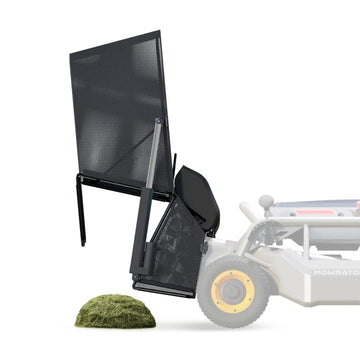
For example, Mowrator S1 remote control mowers are built for homeowners who want to steer from a safer distance while handling slopes, dense grass, and yard cleanup tasks such as mulching, bagging, discharging, and leaf shredding.
The trade-off is time — you still operate the mower. The benefit is control, distance, and reduced physical effort in areas that are hard to mow by hand.
Robot vs. RC Lawn Mower: Safety, Terrain, Setup, and Maintenance
A smart mower purchase should be based on the parts of mowing that create the most frustration. For some people, that problem is mowing frequency. For others, it is slope, fatigue, thick grass, or the risk of walking into difficult areas.
| Factor | Robot Lawn Mower | Remote Control Lawn Mower |
| Main Purpose | Frequent light trimming | Controlled mowing from a distance |
| User Involvement | Low after setup | Active steering during use |
| Best Terrain | Open, maintained lawns | Slopes, thick grass, rough areas, complex layouts |
| Setup Needs | Boundary, map, app settings, charging station | Charging, controller setup, pre-mow safety checks |
| Cutting Style | Small scheduled cuts | User-controlled passes based on the grass condition |
| Safety Advantage | Reduces routine mowing labor | Keeps the operator away from the mower and difficult terrain |
| Maintenance Focus | Blades, sensors, wheels, battery, charging contacts | Blades, deck cleaning, battery, controller, drive system |
Safety
A robot lawn mower may include lift sensors, tilt sensors, collision detection, and automatic blade stop features. These features help reduce risk, but the mowing area still needs preparation. Children, pets, hoses, toys, sticks, and loose yard items should be kept away from the mower’s working zone.
A remote control mower keeps the operator away from the cutting deck and the ground being mowed. That distance is useful on slopes and rough areas. The user still needs to stay alert, maintain a clear line of sight, and avoid mowing near people or pets.
Terrain
Terrain is often the deciding factor. Flat grass is easier for automation. A sloped or uneven yard requires more steering decisions. If your property includes banks, ditches, thick patches, tree roots, or changing obstacles, an RC lawn mower gives you more control over each pass.
Setup
Robot mowers usually need more preparation before the first cut. The mowing area must be defined, the charging station must be placed correctly, and no-go zones may need adjustment.
Remote models do not usually require a full automated mowing map. They do require the user to inspect the yard, charge the battery, check the controller, and guide the mower during the job.
Maintenance
Both mower types need cleaning, blade checks, and battery care. A robot mower may also need sensor cleaning, software updates, wheel checks, and charging contact maintenance. A remote control model needs regular checks on the cutting deck, drive system, battery, controller, and any bagging or discharge parts.
Grass buildup under the deck can reduce cutting quality, shorten runtime, and make the motor work harder. Cleaning after heavy mowing is a simple habit that protects performance.
Match the Mower to Your Yard Size, Slope, and Obstacles
Before buying, look at the three areas that usually create mowing problems: yard size, slope, and obstacles. These factors matter more than product category labels.
A robot lawn mower usually makes sense when the yard is already easy to mow. A remote control lawn mower becomes more useful when the mower needs your judgment to handle difficult spots.
By Yard Size
For a small, open lawn, a robot mower can be a practical choice. The machine has fewer turns, fewer objects to avoid, and fewer zones to manage. If the grass stays short, routine automation can keep the lawn looking consistent.
For a medium yard, layout matters. One large open area may work well with automation. Several separated zones, narrow passages, and rough edges may require more setup and more troubleshooting.
For a larger residential property, cutting width, battery runtime, traction, and grass height become more important. If the yard includes rough areas or thick growth, remote control may feel more efficient because you can focus power and time where the lawn needs it.
By Slope
Slope should never be guessed. Check the mower’s rated slope limit and compare it with the steepest part of your yard. Also consider turning space, grass moisture, soil firmness, and what sits at the bottom of the slope.
A gentle slope may work for many mower types. A steep bank or ditch often requires careful steering. If walking the area feels unsafe with a push mower, remote operation deserves serious consideration.
By Obstacles
Obstacles create extra decisions. Trees, roots, flower beds, retaining walls, fences, play equipment, garden hoses, and outdoor furniture can all affect the cut.
Automation works best when obstacles are stable, and the mowing area stays clean. The remote control works better when objects move often or the mower needs frequent judgment. If you regularly pick up toys, move patio furniture, or work around garden projects, a remote-controlled lawn mower can reduce frustration.
Choose the Mower That Fits Your Yard Conditions and Work Style
The right choice depends on the problem your mower needs to solve most often. A robot lawn mower works best for open, fairly even lawns that already stay under control with regular trimming. It is a good fit when the goal is consistent grass height, scheduled maintenance, and less weekly involvement after setup.
A remote control lawn mower is better for yards that need active judgment during the cut. Slopes, thick grass, uneven ground, tight edges, and changing obstacles often require more control than full automation can provide. It also helps when walking behind a mower feels tiring or unsafe.
For simple lawns, automation can reduce routine maintenance. For tougher yards, remote control gives homeowners a safer distance, stronger control, and a more practical mowing experience.
FAQs
Q1. Do Robot Lawn Mowers Work in the Rain?
Yes, many robot lawn mower models can work in light rain, but dry grass usually gives a cleaner cut. Wet grass can clump under the deck, reduce traction, and make cleanup harder. Heavy rain, storms, or saturated soil are still poor mowing conditions.
Q2. Do Robot Lawn Mowers Need Wi-Fi?
Not always. Some models can mow with boundary wires and basic onboard controls, while wire-free models often need stable connectivity for mapping, app control, updates, or virtual boundaries. Before buying, check coverage in the full mowing area, not only near the house.
Q3. How Often Should Robot Lawn Mower Blades Be Replaced?
Usually every one to two months during active mowing season, but the exact timing depends on grass type, soil, yard debris, and mowing frequency. Dull blades tear grass instead of cutting it cleanly, which can leave pale or frayed grass tips.
Q4. Can Lawn Clippings From a Robot Mower Damage the Lawn?
No, not when the mower cuts frequently and removes only small amounts of grass. Fine clippings usually fall back into the lawn and break down naturally. Problems happen when the grass is too tall, wet, or cut too heavily at one time.
Q5. Can a Remote Control Lawn Mower Replace a Riding Mower?
Yes, for some homeowners, especially on properties where riding feels unsafe, uncomfortable, or hard to maneuver. A remote control lawn mower can reduce physical strain and improve control in tight or uneven areas, but mowing speed and capacity still depend on the specific model.