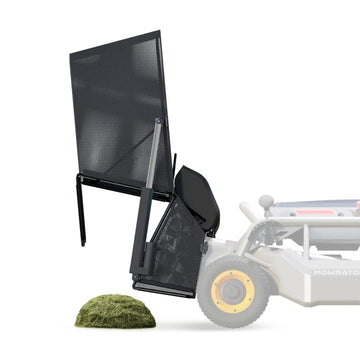
Quick answer: Yes, FPV remote control mowers can absolutely make lawn care easier and more enjoyable if you like tech, have challenging terrain, or want to reduce physical effort. They shift the job from pushing a machine to piloting it. If you are familiar with remote-controlled gear, then an FPV remote control mower would definitely be a go-to option for you.
Operating a mower through a live video feed allows you to manage yard work from a distance. For some homeowners, this approach can make mowing feel more manageable and more engaging without losing sight of safety and control.
First Person View Mowing Technology: Using Video Feeds for Yard Care
First-person view (FPV) technology places a camera on the mower and sends a live feed to a monitor, allowing the operator to work from a more comfortable position. It may also reduce the time spent walking directly behind the mower in heat, dust, or flying grass clippings.
Why Remote Operation Changes the Mowing Experience
Using a remote control lawn mower equipped with a camera can turn a standard weekend chore into a technical hobby. This setup can improve precision because the operator sees the terrain from a low perspective near the ground.
While it does not remove the need for careful attention, it replaces manual labor with a focus on navigation and control. For many users, this shift in perspective makes a routine task feel more like an interactive simulation than a physical burden.
Who Is This Technology Best For?
This approach may appeal to homeowners who enjoy tech, want to reduce the physical strain of mowing, or need better control on uneven or sloped ground. It provides a way to stay involved in yard work without the physical toll of pushing a traditional mower. Those who already enjoy remote control hobbies may find that their skills translate well to this type of yard care. The technology itself is intuitive, meaning you don't need extensive extra knowledge or skills to get started.

Recommended Equipment for a Smoother Mowing Experience
To keep visibility and control consistent, use equipment that improves screen readability, signal stability, and operator comfort during longer mowing sessions. Having the appropriate gear can help improve the visibility and responsiveness of controls during any operation session.
Viewing Device: Choose a Display That Keeps the Yard Easy to See
The method you use to watch the video feed influences how you perceive your surroundings. There are two basic options:
- A dedicated outdoor monitor with a sun hood can improve visibility in bright conditions without isolating the operator from the surrounding work area.
- A monitor mounted to the controller can provide a clear live view while still helping the operator stay aware of the yard around them.
Choose a display setup that gives you a clear live view while allowing you to maintain situational awareness of the work area.
Radio Transmitter: Ensuring a High-Quality Connection
A reliable control and video link is critical for smooth operation, not just for drone enthusiasts. Focus on stable signal performance, responsive controls, and a work area with as few visual and structural obstructions as possible.
Camera Mounting Point: Optimal Placement of Your Camera
Camera setup affects how well you can judge edges, obstacles, and mowing lines. The position of your camera plays a key role in ensuring a clear view of your mowing path.
- A lower mounting point at the front of the mower allows you to see the grass ahead, but may introduce some vibration from the blades.
- A higher camera position can provide a broader view, helping you spot potential hazards like rocks, sprinkler heads, or other obstacles.
Adjusting the camera angle can significantly improve your ability to navigate your lawn with precision, ensuring a more consistent and thorough cut.

Operational Strategy: Managing the Yard with Precision
Once your equipment is configured, the focus shifts to the actual process of cutting the grass. A systematic approach helps you get the most out of your hardware and your time.
Monitoring Key Information With an On-Screen Display
A well-configured setup includes a display that overlays important data onto your video feed, often called an On-Screen Display (OSD). This allows you to monitor:
- Battery Voltage: To ensure you have enough power to finish the job.
- Signal Strength: To avoid driving the mower out of range.
- Motor Temperature: To prevent overheating during heavy use in tall grass.
Keeping an eye on these metrics is a practical way to help prevent hardware failure and ensure the mower has enough power to return for a charge.
Visual Results: Achieving Consistent Lawn Stripes
For many users, the appeal of this system is practical because it allows for a high level of visual precision. There is a specific satisfaction in seeing straight lines form on the screen as you guide the machine across the lawn. Because the camera is closer to the ground than a standing operator, it is easier to spot small patches of grass that were missed. This leads to a more consistent result that is easily seen from a distance.
Safety Guidelines for Remote Mower Operation
Operating heavy machinery from afar demands a strong commitment to safety. Safe operation depends on following the manufacturer's instructions, using the equipment as intended, and keeping people and pets well away from the work area.
Protection Against Uncontrolled Movement
It is crucial to prioritize lawn mower safety, especially when operating remotely. Built-in fail-safes and reliable stopping behavior are essential in any remote-mowing setup. Before each session, confirm that the machine responds normally, that safety features are functioning, and that you can stop operation quickly if conditions change.
Staying Aware of Your Entire Yard
Because the operator is watching a screen rather than scanning the yard directly, situational awareness becomes even more important. Best practices include:
- Using a spotter: Having a second person watch over the yard for pets and children.
- Taking frequent breaks away from the screen to look around the physical space.
- Using cameras with wide-angle lenses to detect any danger from further away.
These practices help reduce risks and make remote mowing safer for everyone nearby.
Ensure Your Equipment Is Ready
Before starting, inspect both the mower and the work area. Check that the blade hardware is secure, the battery is adequately charged, the video feed is clear, and the emergency stop or other safety controls are working as intended. Remove sticks, rocks, wires, and other debris that could interfere with safe operation.
Understanding the Tradeoffs: Cost, Setup, and Learning Curve
While the benefits include comfort and precision, the tradeoffs involve a higher initial investment and a learning curve. You must be willing to troubleshoot technical issues and maintain a high level of safety responsibility while operating the machine. Signal reliability can also be a factor, depending on the layout of your property and the presence of obstructions like stone walls or metal buildings. For many hobbyists, the ability to experiment with new tech makes these challenges part of the overall appeal.
How to Decide if an FPV Mowing System Is Right for You
Transitioning to an FPV remote control lawn mower can improve visibility and comfort, but it also adds technical and safety considerations. To decide if this upgrade is right for you, consider this final checklist:
- Property Type: Is your yard large enough, or the terrain difficult enough, to justify the setup time?
- Budget: Are you prepared for an initial investment that often exceeds traditional high-end gas mowers?
- Technical Interest: Do you enjoy basic electronics and troubleshooting radio signals, or do you prefer a plug-and-play experience?
If comfort, visibility, and remote operation matter to you, FPV mowing can be a practical upgrade. The next step is to compare real product specifications, your yard layout, and the safety requirements of your property before choosing a system.
FAQs about FPV Remote Control Mowers
Q1: Can You Mow Your Lawn from Inside Your House?
It is possible to operate a remote control lawn mower from the inside of a house, but there are obvious risks to signal quality. Thick walls and home electronics can cause interference, leading to lag or video dropouts. In practice, it is safer to operate outdoors where you can clearly monitor the work area and respond quickly if a person, pet, or obstacle enters the mowing zone.
Q2: What Is the Difference Between a Remote Mower and a Robot Mower?
The main difference lies in setup complexity and control.
- Robot Mowers: Designed for autonomous use, but often require a highly complex initial setup, including installing boundary wires and intricate GPS mapping.
- FPV Remote Mowers: Offer a more direct plug-and-play experience. There is no need for yard mapping or wire installation; you simply power it on and start driving. They are much better for complex, changing terrain that would confuse an automated robot.
Q3: How Far Can a Remote Mower Operate Effectively?
Most hobby-grade and professional radio systems have a range of several hundred yards, which is more than enough for most residential lots. However, the FPV video signal is usually the limiting factor. Depending on the environment and the presence of obstructions like trees or buildings, your clear video feed may begin to degrade long before the mower reaches its maximum radio control range.
Q4: Are FPV Mowers Safe Around Children and Pets?
The safety of an FPV system largely depends on the person operating it. Because the operator's vision is focused on a screen, they may not see a child or pet running into the mower's path from the side. This is why using fail-safes, maintaining a low operating speed, and having a second person act as a lookout are essential safety practices for any remote mowing session.