Brown patches show up every summer. Some bounce back on their own. Others don’t. Most homeowners can’t tell the difference until they’ve already raked up perfectly fine grass or waited too long on patches that needed action weeks ago.
Dead grass left on the lawn heading into leaf season creates the exact conditions fungal disease needs to spread, making fall cleanup significantly harder. Here’s how to handle it correctly before fall arrives.

Check Whether the Grass Is Dead, Dormant, or Covered by Thatch
Before pulling out any tools, figure out what you’re actually dealing with. Dead grass, dormant grass, and thatch buildup all look similar on the surface but call for completely different responses.
The tug test is the fastest starting point. Grab a small handful of brown grass and pull with steady upward pressure. Dormant grass resists because the roots are still anchored and alive. Dead grass slides out with little to no resistance, often with no root structure attached.
If the result is unclear, check the crown, which is the zone where grass blades meet the root system just at or below the soil surface. Part the blades and look closely. A firm, white or cream-colored crown means the plant is dormant and will recover when conditions improve. A crown that’s dark, shriveled, or soft means the plant is gone.
Pattern is another reliable signal. Dormancy tends to be uniform. Large sections go brown together because they’re responding to the same heat or drought. Dead patches show up as irregular spots, circles, or streaks with no clear weather connection. Expanding rings are often a sign of disease.
For thatch, push the grass aside and press your finger into the base. A spongy, matted brown layer between the soil and the living grass is thatch. Up to half an inch is actually beneficial because it helps retain moisture and buffer soil temperature. Once it exceeds half an inch, it starts blocking water, air, and nutrients from reaching roots, causing the grass above to thin and die even when the soil underneath is healthy.
Rake, Dethatch, or Mow Based on the Amount of Dead Grass
The right removal method depends on how much dead material you’re dealing with. Using the wrong approach either wastes time or puts unnecessary stress on the surrounding healthy grass.
For light dead patches and scattered surface debris, a dethatching rake is sufficient. Work in a crisscross pattern to pull material loose from multiple angles. It’s labor-intensive on larger lawns but gives you the most control for spot treatment.
For thatch between half an inch and three-quarters of an inch, a power dethatcher is far more efficient than hand raking. Mow the lawn to roughly half its normal height first so the tines can reach the thatch layer without fighting through tall grass. Water lightly the day before. Moist soil handles tines better than dry conditions. Set the depth conservatively on the first pass to grab the dead layer without shredding healthy crowns.
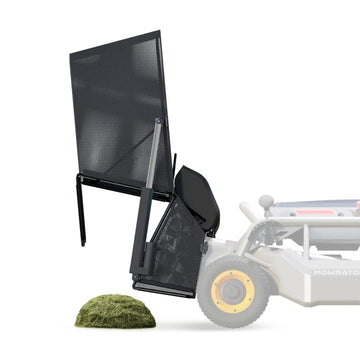
For large areas of heavy dead grass accumulation, a mowing pass with the bag attached is often the smartest first step. Lower the deck a notch below your normal setting and run a full bagging pass to break up surface mats and reduce the volume before you rake or dethatch.
Timing matters by grass type. Cool-season grasses (tall fescue, Kentucky bluegrass, perennial ryegrass) recover fastest when dethatched in late summer or early fall during active growth. Warm-season grasses (Bermuda and Zoysia) do better in late spring to early summer. Avoid aggressive dethatching during peak summer heat or deep dormancy when the lawn has no recovery window.
Clear Loose Grass Before Leaves Start Piling Up
Waiting until leaves fall to address dead grass puts you behind on two fronts.
Dead grass sitting on the lawn through late summer traps moisture against the soil surface and cuts off airflow at the crown level. That combination is exactly what Brown Patch, Dollar Spot, and Snow Mold need to get established. Getting the dead layer off while temperatures are still warm removes the habitat those diseases depend on.
The second issue is compounding. Once trees start dropping leaves, they mat down over loose dead grass and block sunlight and oxygen from the surviving grass for weeks at a time. Crowns that suffocate under that combined cover often don’t recover by spring. What looked like a manageable dead patch becomes a bare spot that needs full reseeding.
For light debris, a mulching mower shreds dry surface material finely enough that it breaks down in place. For heavier accumulation, bag it and remove it completely. Leaving it in piles on the lawn creates the same coverage problem you were trying to eliminate.
Use the Right Blade and Bagging Setup for Cleaner Removal
Blade selection directly affects how well your mower picks up dead grass and debris. The wrong blade for the job either leaves material on the lawn or clumps it in ways that create more cleanup work.
High-lift blades (also called 2-in-1 or standard blades) are the better choice when actively collecting and removing dead material. They generate strong upward airflow under the deck, lifting loose debris off the soil surface and driving it into the collection bag. Many professionals switch to high-lift blades specifically for fall cleanup because bagging efficiency is noticeably better, particularly with mixed dead grass and early fallen leaves.
Mulching blades (3-in-1 blades) keep clippings circulating under the deck for additional cutting, producing finer particles that decompose on the lawn surface. This works well when dead grass is light and dry and the goal is to reduce it in place. Wet or heavy material causes deck clogging and leaves clumps behind.
Blade sharpness matters for both types. A dull blade tears grass rather than cutting it cleanly, which leaves frayed ends more susceptible to fungal infection and reduces the airflow needed to move material into the bag. If the blade hasn’t been sharpened this season, do it before fall cleanup begins.
For homeowners running a single mower through both dead grass cleanup and fall leaf collection, the Mowrator S1 Leaf & Lawn handles both jobs with dedicated mulching blades and a leaf vacuum mode rated at 931.55 CFM, so there’s no need to switch machines mid-season.
Repair Thin Spots Before Cold Weather Sets In
Bare patches left behind after dead grass removal are weed magnets. Dandelions and crabgrass move into exposed soil over winter without much competition. Repairing those areas now, while the seeding window is open, is the most effective thing you can do for next spring’s lawn.
For cool-season grasses (tall fescue, Kentucky bluegrass, perennial ryegrass), the ideal overseeding window in most northern states runs from mid-August through mid-September. Soil temperatures between 55°F and 65°F give seeds the warmth to germinate, while cooling air reduces stress on new seedlings. Finishing at least six weeks before your area’s first expected frost gives new grass time to develop enough root depth to survive winter.
For warm-season grasses (Bermuda, Zoysia, St. Augustine), the repair window is late spring to early summer when soil temperatures stay above 65°F. Overseeding these varieties in early fall typically results in poor germination, and seedlings that do sprout rarely survive the cold.
Repair steps for bare spots:
- Rake the cleared area lightly to loosen the surface and create a seedbed
- If the soil is compacted, break it up with a hand aerator or garden fork
- Spread seed at the overseeding rate on the package, typically 4 to 6 lbs per 1,000 sq ft
- Cover with no more than a quarter inch of compost to keep seed in contact with soil
- Water lightly once or twice daily until germination, which takes 7 to 21 days by seed type
- Wait until seedlings reach 3 inches before mowing
One thing to avoid: applying pre-emergent herbicide anywhere near freshly seeded areas. It blocks weed germination and grass seed germination with equal efficiency.
Prepare the Lawn for Fall Cleanup by Removing Dead Grass Early
The condition of the lawn underneath the leaves when they fall determines how the grass comes out of winter.
Dead grass going into leaf season compresses into a damp, dense mat when wet leaves pile on top. That layering creates ideal conditions for Snow Mold and other cold-weather diseases to develop over winter. A lawn already cleared of dead material handles the same leaf volume with far less disease risk.
Cleared turf also makes your mower more effective during peak leaf season. A mulching mower working over clean turf can reduce a heavy leaf cover nearly to nothing in one pass. Fighting through mats of dead grass underneath produces uneven cuts, deck clogs, and clumps that require a second round of cleanup.
Check the blade condition, clean the underside of the deck, and confirm the bag or vacuum system is clear before the season’s heaviest work begins. Small maintenance steps done now prevent problems mid-cleanup when you least want them.
FAQs about Dead Grass and Dethatching
Q1. Will Dead Grass Eventually Go Away on Its Own?
No. Dead grass doesn’t decompose fast enough to clear itself before causing problems. It blocks water, air, and new growth from reaching the soil. Raking or dethatching is the only reliable way to remove it.
Q2. Can I Seed Directly Over Dead Grass Without Removing It First?
No. Seed needs direct contact with soil to germinate. Dead grass and thatch create a physical barrier that prevents that contact, leading to poor germination rates. Remove dead material and loosen the top layer of soil before spreading seed.
Q3. How Often Should a Lawn Be Dethatched?
Most lawns need dethatching every two to three years. Doing it more frequently on a lawn that doesn’t need it damages healthy root systems. Check thatch depth each fall with a garden trowel. If the brown layer measures under half an inch, skip dethatching this year.
Q4. Is It Safe to Compost Dead Grass?
Yes, with one exception. Dead grass adds nitrogen to a compost pile and breaks down well. If the grass died from a fungal disease like Brown Patch or Dollar Spot, do not compost it. Disease pathogens survive in compost and can reinfect the lawn when you apply it.
Q5. Does Dethatching Damage a Healthy Lawn?
It can. Dethatching pulls aggressively through turf and stresses crowns and roots. On a lawn with minimal thatch, this can leave the grass looking rough for several weeks with no real benefit. Always measure thatch depth before deciding to dethatch.