Winter yard maintenance on a hilly property starts with the work that is hardest to repeat: clearing heavy leaves, finishing the remaining mowing, and preparing a workable route for driveway snow. Choose a routine around your terrain, where material will go, and how much pushing, carrying and unloading each job involves.
The last mow is rarely the last job. Leaves keep collecting beneath trees and along banks. Branches need moving. Then the driveway becomes the priority when snow arrives. If you handle the property yourself, preparing for winter means deciding how you will get through that sequence without turning every task into another round of heavy manual work.
This guide focuses on lawns, slopes and residential driveways—the parts of winter property maintenance where your equipment and working method make a practical difference.
Why Hilly Yards Need a Different Winter Plan
A flat front lawn and a bank behind the house may need the same leaf cleanup, but they do not create the same workload. On the bank, every trip to empty a bag adds another journey. A blower moves leaves, but someone still has to gather or dispose of them. A mower may collect material, yet pushing it and handling the bag remain separate parts of the job.
Before choosing equipment, ask three questions: Where will I stand or walk? Where will the material end up? What happens when the bag fills or the snow has nowhere else to go? These questions help you compare complete working routines rather than individual features.
Finish the Leaf Cleanup That Will Otherwise Become a Bigger Job
Start with heavy deposits on turf, leaves blocking accessible drains, and material covering the routes you use. You do not need to make the entire property leaf-free. Scattered leaves can often be mulched into the lawn; deeper deposits may need collection.
Colorado State University Extension explains that shredded leaves can be returned to a lawn. The useful distinction is between small pieces settling into the grass and a persistent blanket of whole leaves. Check the finished area and collect excess material where necessary.
On a larger, tree-covered yard, collection is only half the decision. Pick an accessible composting, cart or yard-waste loading point before starting. Work in sections so you can manage the material without repeatedly carrying it across the property.
For banks and hillside lawns, our guide to clearing leaves on a slope compares methods and explains how to include unloading in the plan.

Plan the Driveway Before the First Snowfall
Walk the driveway while its edges and obstacles are visible. Identify the space you need to keep open: the garage entrance, vehicle turning area, front walk and access to bins or deliveries. Decide where you can put snow without blocking those routes.
Next, compare the work each method asks of you. A shovel requires moving each load by hand. A walk-behind snow blower still needs an operator to guide it along the clearing route. A remote-controlled plow moves snow with the machine while the operator directs its travel from a suitable viewing position.
A plow pushes snow aside; a blower throws it away from the clearing path. Available storage space, snow conditions and driveway layout help determine which approach fits. Remote control changes how you guide the job, but you still need to supervise the machine and maintain visibility.
Our remote-control driveway plowing guide explains the clearing sequence in more detail.
Compare the Work You Will Do, Not Just the Tool You Will Own
| Task | Work to account for | What to look for |
|---|---|---|
| Heavy leaf cleanup | Moving leaves, gathering them, emptying containers and transporting the material. | A suitable collection method and an accessible unloading point. |
| Late-season mowing on a hill | Following or pushing equipment, turning and reaching awkward areas. | Terrain capability and an operating position that suits the property. |
| Driveway snow clearing | Guiding equipment, moving snow repeatedly and managing growing piles. | A clearing route, enough snow storage space and a suitable machine. |
| Changing seasons | Storing, inspecting and learning to operate different equipment. | Useful attachment compatibility and a manageable seasonal setup. |
A separate tool for each task can make sense, especially where one job dominates. For a property with recurring mowing, leaf collection and driveway snow, it is also worth considering which jobs could share a powered base.
What One Platform Can Change Between Fall and Winter
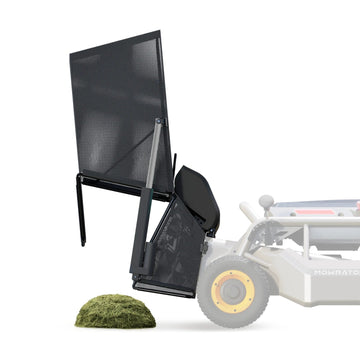
The Mowrator S1 4WD combines remote-controlled mowing with leaf mulching and collection. Its 70L (18.5-gallon) collection bag gathers material as the machine works; the optional Auto-Dumping system adds remote emptying.
For the next season, the compatible 32-inch Snow Plow Kit lets the same S1 4WD take on driveway clearing. The practical appeal is keeping the powered base and familiar controls in use as the task changes from leaves to snow.
This approach is most relevant when your property has several recurring jobs. If your only winter task is a short walkway, a simple dedicated tool may already be enough. If hills, trees and a driveway create a sequence of larger jobs, compare the full seasonal routine.

A Short Winter Yard Maintenance Checklist
-
Finish priority leaf areas: address heavy lawn deposits, access routes and accessible drainage openings.
-
Mow as growth requires: use a height appropriate to your grass and region rather than making an unusually low final cut.
-
Prepare the next attachment: inspect fitment and wear items before the first snowfall.
-
Separate storage from winter use: follow the correct cleaning, battery, charging and storage instructions for each tool.
-
Recheck after weather changes: look for new branches, leaf accumulation and blocked access after wind, rain or a thaw.
Work when the ground supports it. University of Nebraska–Lincoln Extension advises avoiding traffic on frozen turf. Soft, saturated ground also calls for postponing equipment work. In milder regions, the lawn may continue growing; your local conditions decide the schedule.
Frequently Asked Questions
What winter yard maintenance matters beyond the last mow?
Focus on heavy leaves, clear access, accessible drainage routes and equipment readiness. On a hilly property, include the work of collecting and moving material. Where snow is expected, prepare a driveway clearing route and storage space for snow.
Can one machine handle fall leaves and winter snow?
Some platforms support both jobs with different setups. The S1 4WD supports leaf collection and a compatible snow plow attachment. Check the exact machine, attachment and seasonal configuration; compatibility and operating limits vary.
Should I put my lawn mower away for the winter?
If it has no remaining approved tasks, prepare it for storage according to its manual. Where grass continues growing, mowing may continue when conditions permit. A compatible multi-use platform may instead be prepared for another seasonal job.
Does remote snow plowing eliminate every shoveling task?
No. Steps, narrow gaps and inaccessible corners may still need a smaller tool. The main change is using the powered machine for the driveway area it can reach, while you guide the work remotely.
Is a multi-use platform worthwhile for every yard?
Its value depends on the jobs you repeat. A small, simple yard may need only basic tools. Hills, substantial leaf fall and recurring driveway clearing give you more reasons to evaluate a shared platform across seasons.