To clear leaves on a slope, choose a method for the entire job: reaching the leaves, processing or collecting them, and getting the material to an unloading point. Mulch manageable scattered leaves where suitable equipment can operate; collect heavier deposits. For larger hillside lawns, consider how much walking, pushing and carrying each method requires.
A hill changes an otherwise familiar chore. Carrying a blower is one part of the work. Gathering the pile is another. Push a bagging mower instead, and you still have the return trip whenever the bag fills. The best method is the one that makes that full routine manageable on your property.
Why Leaf Cleanup Takes More Effort on a Hill
On level ground, moving between a leaf-covered patch and a collection point may be straightforward. On a bank, the same routine can mean repeated climbing, carrying equipment or guiding a loaded machine across uneven ground.
Leaves also hide the surface. Before working, identify roots, holes, loose stones and edges. Choose an operator position and travel route suited to the actual grade and equipment. If footing or machine traction is unreliable, wait for better conditions or use a service equipped for the site.
Once access is settled, the useful comparison is workload: what moves the leaves, what gathers them, and who handles the material afterward?
First Decide Whether to Mulch or Collect
Not every hillside needs bagging. When dry leaves are scattered and the finished fragments settle into the grass, mulching can avoid the collection and disposal trip altogether. Colorado State University Extension describes using a mower to return shredded leaves to a lawn.
Collection becomes useful where deposits remain heavy, clumps cover the grass after processing, or leaves need moving away from access and drainage routes. One property may need mulching on the open lawn and collection beneath the trees.
| Leaf condition | Approach to consider | Why it helps |
|---|---|---|
| Dry, scattered leaves with grass visible | Mulch with equipment suitable for the slope. | Returns small fragments to the lawn and avoids handling a collected load. |
| Deeper deposits beneath trees or along fences | Collect in manageable sections. | Moves excess material away instead of leaving a persistent covering. |
| Wet, flattened leaves on slippery ground | Wait where possible and reassess. | Allows a clearer assessment of access, footing and traction. |
| Leaf litter in an established wooded area | Decide whether removal is necessary. | Can avoid work where leaves are not interfering with turf, drainage or access. |
What Each Cleanup Method Asks of You
Tools can move the same leaves while placing the physical work in different parts of the routine.
| Method | Where it makes sense | Work that remains |
|---|---|---|
| Rake | Small accessible patches and detail work. | Raking, gathering and moving the material. |
| Handheld or backpack blower | Moving loose leaves toward a reachable collection point. | Carrying or guiding the blower, then handling the gathered leaves. |
| Walk-behind collection mower | Lawn areas within the mower's terrain limits. | Following the mower, pushing if required, and emptying the bag. |
| Remote-controlled collection mower | Larger suitable lawn areas where operator position matters. | Guiding the machine and supervising the route; unloading depends on the collection system. |
| Professional cleanup | Inaccessible areas or work beyond your equipment and capacity. | Arranging access, scope and disposal with the provider. |
A blower remains useful around beds and obstacles. A rake may be the simplest answer for a small bank. Where most of the job is an open, leaf-covered hillside lawn, a collection mower can gather material as it travels rather than creating a separate pile for later pickup.

Can a Lawn Mower Work as a Leaf Vacuum on a Slope?
A lawn mower with a leaf collector can gather fallen leaves when its manufacturer supports that setup. The deck processes material beneath it and directs the collected material into a bag. A mulching configuration instead returns chopped material to the lawn.
The phrase “lawn mower leaf vacuum” can also describe a separate vacuum attachment or tow-behind system. Compare the actual configuration: a larger container may reduce emptying frequency, but it also changes the space needed for turning, storage and unloading.
For a hillside, confirm the operating limits of both the mower and its attachment. A collection system that fits a machine is not automatically suitable for every place that machine can reach.
How Remote Control Changes the Hillside Routine
On a steep lawn, collecting leaves means more than picking them up—you also need a machine that can handle the terrain. The Mowrator S1 4WD is rated for mowing slopes up to 119% (50°) with Grip Tread Tires, bringing steep hillside areas into its working range while you guide it remotely.
That combination changes the physical routine. Instead of pushing a collection mower uphill or following it across every pass, you control the machine from a suitable position with a clear view. Its 21-inch deck handles mowing, leaf mulching and collection, while the 70L (18.5-gallon) bag gathers material for unloading.
For homeowners managing leaf-covered banks and larger hillside lawns, the value is having both terrain capability and remote operation in the same machine: the mower handles the travel and collection, while you direct each pass.

Include Emptying the Bag in Your Equipment Decision
A bag's capacity tells you its volume, not exactly how long you can work before emptying it. Leaf density, moisture and how the material is processed affect each load. On a hill, the route to unload can matter as much as the bag itself.
Before starting, choose a reachable collection point near a composting area, cart or yard-waste loading location. Keep the route clear. Several manageable sections can be easier to handle than one large pile at the bottom of the property.
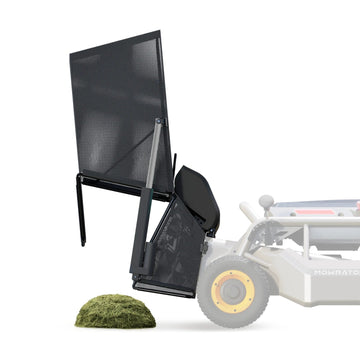
A standard bag still requires manual emptying. For repeated collection sessions, the optional Mowrator Auto-Dumping system adds remote emptying, changing that part of the routine as well. You still need an appropriate place to deposit and manage the leaves afterward.
If emptying stops are your main frustration, compare collection and unloading together. Our leaf vacuum bag size guide explains the capacity side of that decision.
Put the Method Into a Workable Plan
-
Choose what needs clearing. Prioritize lawn deposits and access routes rather than removing every leaf from woodland and beds.
-
Inspect the working area. Locate hidden obstacles, confirm access and use equipment within its instructions.
-
Choose mulch or collection by section. Test a small area and examine what remains.
-
Set the unloading point. Include the return journey and final disposal in your route.
-
Adjust before expanding the job. If material builds up or the machine struggles, reduce the working section or wait for better conditions.
Keep established grass and groundcover intact rather than scraping the hill bare. Collected leaves can go to an appropriate composting area or local yard-waste program; the EPA's home composting guide identifies dry leaves as carbon-rich compost material.
Frequently Asked Questions
What is the best way to clear leaves on a slope?
Use the method that fits access, leaf volume and unloading. Mulch manageable scattered leaves; collect heavier deposits. A rake can suit a small accessible area, while a suitable collection mower may fit a larger hillside lawn.
Can I clear leaves on a hill without a backpack blower?
Yes. Options include raking, mower mulching, mower collection and professional cleanup. A remote-controlled collection mower can change where the operator works, provided the equipment and conditions suit the site.
Can every lawn mower collect leaves?
No. The mower needs a supported collection configuration, which may involve a specific blade, chute or bag. Check compatibility and operating limits rather than attaching a generic collector.
Do I need automatic dumping for leaf collection?
No. A standard collection bag can do the job. Remote dumping is an additional convenience to consider when frequent manual emptying is a significant part of your routine.
Can a remote mower collect wet leaves on a hill?
Remote control does not remove traction or material-handling limits. Wet leaves can hide obstacles and complicate collection. Wait for better conditions where possible, and follow the specific machine and attachment instructions.