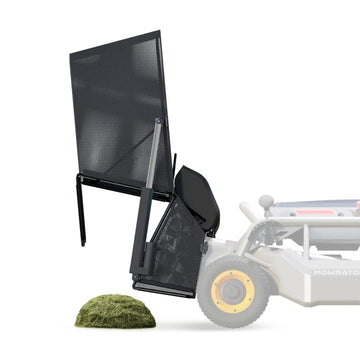
Professional mowing for one acre generally costs about $60 to $200 per visit in the United States. The final price depends on the mowable area, service frequency, grass condition, terrain, access, and included cleanup.
What Is the Average Cost to Mow 1 Acre?
Most 2026 pricing guides place the cost to mow one acre between approximately $60 and $200 per visit. However, local quotes can fall outside this range.
Published estimates vary because each source uses different property sizes and service frequencies:
- GreenPal 2026 Lawn Mowing Cost Report estimates $60 to $100 per visit for weekly mowing of a one-acre lawn. Biweekly service ranges from $80 to $150, while monthly mowing may cost $95 to $180 per visit.
- Airtasker's 2026 U.S. Lawn Mowing Cost Guide estimates $110 to $210 for a one-acre lawn. Its figures are based on marketplace data, industry research, and inflation-adjusted historical prices.
- A1 Lawn Care's 2026 Connecticut Pricing Guide lists $85 to $120 per visit for properties between half an acre and one acre. Properties over one acre start at $120 and require a custom quote.
These figures are reference ranges, not fixed national rates. GreenPal and Airtasker provide broader U.S. estimates, while A1 Lawn Care shows how prices can differ in a specific local market. Service frequency, mowable area, terrain, grass condition, and included trimming or cleanup all affect the final quote.
How Much Does It Cost to Mow One Acre per Year?

Annual mowing costs depend on the price per visit and the number of cuts required during the growing season.
Using a per-visit range of $60 to $200 gives these estimates:
| Mowing Visits per Year | Estimated Annual Service Cost |
| 12 visits | $720–$2,400 |
| 18 visits | $1,080–$3,600 |
| 24 visits | $1,440–$4,800 |
| 30 visits | $1,800–$6,000 |
These totals cover mowing only. Fertilization, aeration, weed treatment, hedge trimming, leaf removal, and landscape edging are separate services.
The number of annual cuts varies heavily by climate and grass growth. Warm, wet regions often have longer mowing seasons, while cold or dry regions may require fewer visits. During periods of active growth, frequent mowing keeps each visit simpler. Long gaps between services may lead to overgrowth charges because the lawn requires slower passes or extra clipping removal.
Our article on how often to mow a lawn in summer covers seasonal factors such as grass growth rates, weather, shade, and cutting height.
What Affects the Cost of Mowing One Acre?
The actual grass area and the time needed to complete the job have the greatest effect on price. Two one-acre properties can receive very different quotes.
Mowable Area
A one-acre lot does not always contain one acre of grass. The house, driveway, patio, pool, flower beds, woodland, and other non-turf areas significantly reduce the amount of grass that needs mowing.
For a simple estimate:
- Divide the lawn into rectangles or triangles.
- Calculate the square footage of each section.
- Add those sections together.
- Subtract buildings, driveways, patios, and garden beds.
- Divide the remaining square feet by 43,560.
Use the resulting acreage when requesting quotes or checking mower coverage capacities.
Service Frequency and Grass Condition
Regularly maintained grass is much faster to cut than a lawn left unattended for several weeks. The University of Minnesota Extension's mowing guidance recommends removing no more than one-third of the grass blade at one time. An overgrown lawn may therefore require multiple passes or gradual height reduction, significantly increasing the time and cost of the first service. Tall or dense grass may require:
- A slower mowing speed
- More than one cutting pass
- A higher initial cutting deck setting
- Clipping collection and bagging
- Additional blade cleaning
- Separate debris removal
The first visit may cost more than later maintenance visits. Ask the provider to separate any first-cut surcharge from the recurring maintenance price.
Terrain and Obstacles
Slopes, uneven ground, exposed roots, drainage ditches, trees, flower beds, fences, and play equipment increase turning and trimming time. They may also limit the type of equipment a crew can use.
Ask whether the quote covers roadside strips, pond edges, narrow side yards, slopes, and other difficult sections. Our overview of lawn mower types for uneven ground explains which equipment features suit irregular terrain.
Property Access
A narrow gate may prevent a riding or zero-turn mower from reaching the backyard. Steps, soft ground, locked gates, long driveways, and limited trailer access can also increase setup time.
Measure the narrowest access point before requesting a final price. Tell the provider about steps, slopes, gates, or ground conditions that may affect their equipment access.
Included Services
A basic mowing quote may or may not include trimming, edging, blowing, bagging, and clipping removal.
| Service | Common Quote Treatment | What to Confirm |
| Lawn mowing | Usually included | Cutting height and mowable acreage |
| String trimming | Often included | Trees, fences, beds, and walls covered |
| Hard-edge trimming | Sometimes included | Driveways and walkways covered |
| Blowing | Often included | Clippings cleared from paved areas |
| Bagging | Often an add-on | Bag capacity and disposal charges |
| Clipping removal | Often an add-on | Material left onsite or hauled away |
| Overgrown-lawn reset | Usually an add-on | Number of passes and cleanup |
| Leaf removal | Separate service | Collection and disposal scope |
Routine trimming along a driveway is entirely different from installing landscape edging. Plastic, metal, brick, stone, or concrete edging requires materials and construction. Those installation prices should not be included in a standard mowing estimate.
How Should You Compare Lawn Mowing Quotes?
Compare the scope of work before comparing the total price. A higher quote may include work that another provider bills separately.
Ask each provider:
- Is the price per visit or part of a monthly plan?
- What specific mowable area does the quote cover?
- Are trimming, edging, and blowing included?
- Does tall grass trigger an additional charge?
- Is bagging available?
- Are clipping disposal fees included?
- Will the crew mow slopes and uneven sections?
- Are there gate-width requirements for their mowers?
- Is the first visit priced differently?
- What happens after rain or a missed visit?
- Are travel fees and taxes included?
- Is there a cancellation fee or a minimum contract period?
Collect two or three itemized local quotes. Give each provider the same measurements and requirements so the prices cover comparable work.
Professional Mowing vs. Owning a Mower
Professional service reduces the time and equipment responsibility placed on the homeowner. However, owning a mower often costs less over several seasons when the lawn requires frequent cuts.
| Cost or Responsibility | Professional Service | Mower Ownership |
| Initial expense | Low | Purchase price |
| Recurring cost | Fee for every visit | Power, blades, and maintenance |
| Labor | Completed by the crew | Owner operates the mower |
| Storage | Not required | Secure storage required |
| Scheduling | Depends on crew availability | Owner controls timing |
| Difficult terrain | Depends on the crew | Depends on mower capability |
| Long-term cost | Continues each season | May decline after purchase |
A basic break-even formula is:
Break-even visits = Total mower ownership cost ÷ Local cost per professional mow
For example, a $2,500 mower compared with a $125 professional mowing charge reaches its initial purchase break-even point after 20 visits:
$2,500 ÷ $125 = 20 visits
This is only a starting estimate. You must also include routine maintenance, power, blade replacement, accessories, and potential battery replacement in the total ownership cost. The owner's personal operating time should also be considered.
Professional service may suit homeowners who:
- Need only occasional mowing
- Do not want to operate or store equipment
- Want trimming and cleanup handled automatically
- Have access to affordable local service
- Need specialist work in certain areas
Mower ownership may make more sense when:
- The lawn needs frequent cuts
- Local service prices are prohibitively high
- Scheduling delays are common in the area
- The owner wants direct control over cutting time and height
- One machine can handle mowing, mulching, bagging, or leaf cleanup
Can a Remote-Control Mower Handle One Acre?
A remote-control mower can handle one acre when its battery, coverage rate, traction, and cutting system suit the property. The operator still controls the mower throughout the job.
This category of mower drastically reduces the pushing and walking associated with conventional mowing. It also gives the operator direct, safe control around slopes, tall grass, obstacles, and irregular boundaries.
Before buying, check the following specifications:
- Actual mowable acreage capacity
- Coverage per battery charge
- Expected mowing time
- Battery size and chemistry
- Maximum rated slope
- Grass height and density limits
- Required gate width
- Mulching, side-discharge, and bagging options
- Storage and maintenance requirements
For example, the Mowrator S1 Leaf & Lawn range lists a cutting efficiency of up to 0.5 acres per hour under suitable conditions. The current 2WD configuration lists up to 0.75 acres per charge. The 18Ah 4WD configuration lists up to 2.25 hours of runtime and 1.125 acres per charge.
Actual coverage will vary with grass density, slopes, obstacles, turning frequency, cutting height, and the selected collection mode. A one-acre lot with only 0.7 acres of grass may require a different configuration than a lot containing a full acre of mowable turf.
Remote-control mowers should not be confused with autonomous mowers. The operator guides a remote-control mower in real time, whereas an autonomous mower follows mapped boundaries or pre-programmed routes. This article on remote-control mowers vs. autonomous robot mowers explains the difference in detail.
Which Option Makes the Most Financial Sense?
The best financial choice depends heavily on local mowing rates, annual mowing frequency, terrain, and the amount of physical work the owner wants to handle.
Professional service is easier to justify when mowing is infrequent or the quote includes comprehensive trimming and cleanup. Ownership becomes much more competitive when service charges accumulate through frequent visits.
Use these steps before making a final decision:
- Measure the actual mowable area.
- Collect two or three itemized local quotes.
- Estimate the number of annual mowing visits required.
- Multiply the per-visit price by the expected visits.
- Calculate three to five years of projected service costs.
- Compare that total with realistic mower ownership costs.
- Confirm that the mower suits the acreage and terrain.
This calculation provides a much more accurate answer than relying on a national average alone.
FAQs
Q1: Should You Tip a Lawn Mowing Crew?
Tipping is optional for routine lawn mowing. Some homeowners offer a tip for unusually difficult work, highly reliable seasonal service, or help beyond the agreed scope. Leaving a positive review or providing a referral can also support a dependable crew.
Q2: What Should You Do Before a Mowing Appointment?
Remove toys, hoses, pet waste, branches, and loose objects from the yard. Unlock gates, keep pets indoors, move vehicles away from access points, and mark hidden sprinklers or other low obstacles.
Q3: What Happens If Rain Cancels a Scheduled Mow?
Most providers will reschedule after the ground becomes firm enough for their equipment. The University of Maryland Extension's guidance on lawn compaction explains that wet soil compacts more easily than dry soil and that heavy mower traffic can create severe tire ruts.
Q4: Can Grass Clippings Stay on the Lawn?
Short, evenly distributed clippings can usually remain on the grass to act as mulch. Heavy piles or wet clumps should be spread out or removed because they can block sunlight and trap disease-causing moisture. Our article on raking after mowing explains exactly when clipping removal is necessary.